

Cancer Treatment & Hematology Center | Marlton, NJ

Name(Required)

The Lindenberg Difference

Advanced Care, Personalized For Every Step of Your Journey

At Lindenberg Cancer & Hematology Center, we understand that every patient’s journey is unique, and we believe exceptional cancer care begins with treating the whole person—not just the diagnosis. From your first consultation through every stage of treatment and follow-up care, our experienced team takes the time to listen, understand your concerns, answer your questions, and develop an individualized treatment plan tailored to your specific medical needs and personal circumstances. 

We are also committed to making communication as clear and comfortable as possible for every patient and family we serve. Our multilingual team can communicate in English, Spanish, and Polish, helping patients better understand their diagnosis, treatment options, medications, and next steps in the language they are most comfortable using. By reducing language barriers and encouraging open communication, we strive to ensure patients and their loved ones feel informed, involved, and supported throughout the entire care process. 

Combining today’s advanced oncology and hematology treatment options with compassionate, personalized attention, Lindenberg Cancer & Hematology Center provides comprehensive care in an environment where patients are treated with respect, dignity, and understanding at every visit. 

Meet Our Providers

A Team Dedicated to You and Your Care

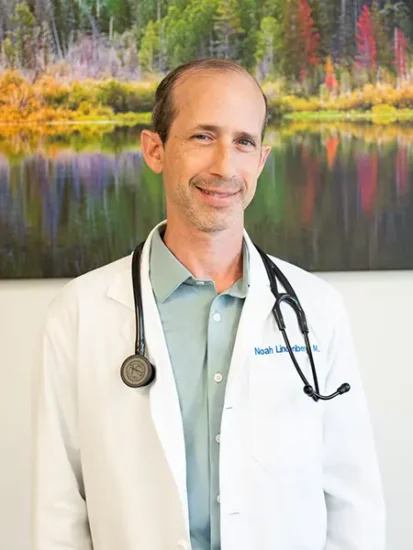
Dr. Noah Lindenberg

MD

Dr. Noah Lindenberg is a distinguished, board-certified oncologist and hematologist with over two decades of experience in adult hematology and oncology.

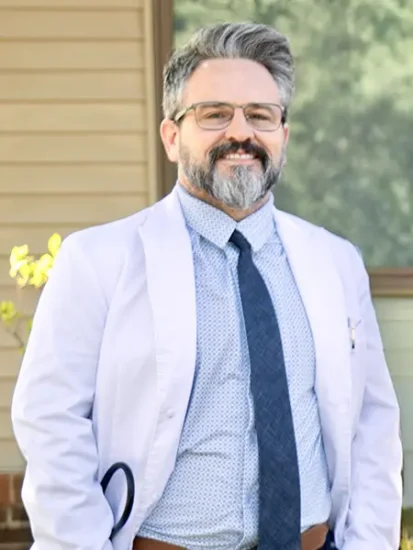
Dr. Brian Calabrese

DO
Dr. Brian Calabrese is a board-certified medical oncologist and hematologist with over 20 years of experience in both academic and community practice settings.

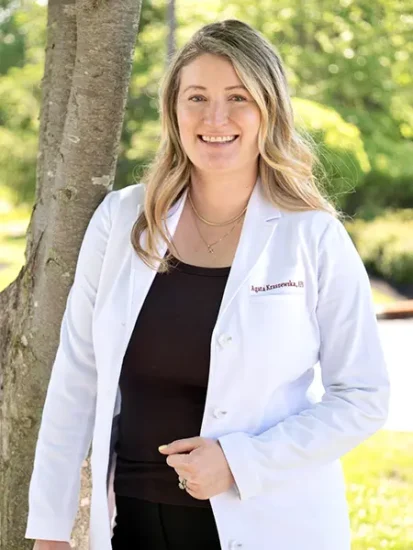
Agata Kraszewska

APN
Agata Kraszewska, NP-C is a board-certified Nurse Practitioner who joined Lindenberg Cancer and Hematology Center in January 2019.

Scarlin Rhoades

NP

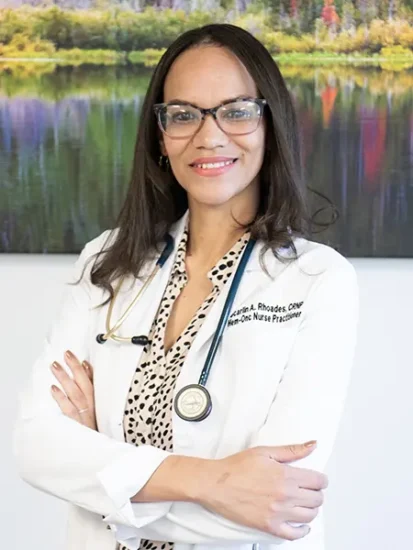
Scarlin A. Rhoades, NP, is a hematology and oncology nurse practitioner at Lindenberg Cancer & Hematology Center.

Experienced Oncology & Hematology Care

Experiences oncology and hematology care centered around every patients individual needs

Personalized Treatment Plans​

Individualized care plans using today’s advanced therapies and precision medicine – delivered with compassion and focused on what matters most: you and your wellbeing.

Care That Speaks Your Language

Our team speaks English, Spanish and Polish, helping our patients and families feel heard, understood and supported throughout your care.

24/7/365 Dedicated Nurse Line

Existing patients can text or call anytime to connect with a registered nurse for questions, concerns, and support.

A TRADITION OF EXCELLENCE IN PATIENT CARE

Recognized For Excellence in Oncology & Hematology Care

At Lindenberg Cancer & Hematology Center, recognition from respected organizations throughout the years means a great deal to our team. These honors reflect our commitment to the South Jersey community – providing advanced, personalized care and compassionate support to our patients and their families every step of the way.

Why Patients Across South Jersey Choose Lindenberg

Expertise You Can Trust. Care You Can Count On.

Leo P.
☆☆☆☆☆
My dad is currently being treated here for anemia, and this group has been nothing short of amazing. Agata, Scarlin, and Sarah are truly the best of the best. I cannot say enough good things about this practice and the care they provide. Sarah, in particular, has been incredibly kind, compassionate, and accommodating while helping my dad. It is clear that they genuinely care about their patients. I am extremely grateful for the exceptional care, kindness, and professionalism we have experienced here. I highly recommend Lindenberg Cancer and Hematology to anyone looking for a hematology team that cares about their patients.
Linda L.
☆☆☆☆☆
I recently had some treatments in this practice and I am truly blown away by the genuine caring attitudes of the staff and especially Dr Lindenberg himself. Being a nurse myself I naturally scrutinize everything but they managed to put me at ease with everything they did so much so that I am now taking my mother to see Dr Lindenberg. I absolutely cannot say enough about this professional, wonderful practice.
Brian Y.
☆☆☆☆☆
Dr. Lindenberg is an incredible oncologist who has truly made a difference in my wife and my life. From the moment we met him, we felt like I was in good hands. His warm and compassionate demeanor immediately put us at ease, and he took the time to explain everything to us in a clear and understandable way. Throughout our cancer journey, Dr. Lindenberg was always available to answer our questions and provide us with the support we needed. He was incredibly patient and understanding, and we never felt rushed or dismissed. He genuinely cared about us as persons, not just patients, and that made all the difference in the world. Dr. Lindenberg is not only a wonderful person but also an incredibly skilled and knowledgeable oncologist. He was always up-to-date on the latest treatments and research, and he worked tirelessly to ensure that we received the best possible care. His expertise gave us confidence in our treatment plans, and we knew that we were in the best possible hands. Thanks to Dr. Lindenberg's care and expertise, we are in remission and living a full and healthy life. We cannot recommend him enough to anyone who needs an oncologist. He is truly one of the best, and we are so grateful to have had him on our side during such a difficult time.
J.K.
☆☆☆☆☆
From the very first moment that I met Dr. Lindenberg in the hospital, I just knew I was in excellent hands! With an extremely frightening diagnosis, Dr. Lindenberg assured me that we would work together to overcome this disease. Upon my initial office visit, I was warmly greeted by the entire staff. Nurse Kim has been my guardian angel! I can text her anytime and know she’ll address my concern within minutes. Both Sarah’s always provide bright smiles and sunshine at each visit. The personalized individual care for each patient is unparalleled! I 💯 percent recommend Dr. Lindenberg’s practice every step of the way!
C.T.
☆☆☆☆☆
Dr Lindenberg is one of a kind! He was meant to do what he does! The most genuine, kind and caring person who goes above and beyond to provide his patients the best care.
Patty K.
☆☆☆☆☆
I cannot say enough wonderful things about Dr. Lindenberg and his entire team. From the moment I was referred to his care with a stage 4 cancer diagnosis, he agreed to walk beside me in this battle for as long as I was willing to fight and that meant everything to me. His compassion, expertise, and unwavering support gave me the strength to keep going. The nursing staff has been just as incredible, especially Sarah, the head nurse. I want to extend my deepest thanks to her and the entire staff. They took me under their wing and never left my side. Their empathy, professionalism, and genuine compassion touched not only me but also my wife, who has been by my side every step of the way. Thanks to them, I’ve made it farther than I ever thought possible. They didn’t just provide medical care; they gave me hope, strength, and a sense of family during the hardest time of my life. I will be forever indebted to them for saving my life and lifting me up when I needed it most. If you're looking for a team who will truly fight for you and with you, look no further. They are nothing short of extraordinary.
B.M.
☆☆☆☆☆
Dr. Lindenberg is absolutely the best. He is caring and compassionate to.his patients. To him your family. He has recently become a part of my family and i absolutely love him. I trust him and feel safe knowing he is my physician. If you want the best call him today you will.not be sorry. The staff here are absolutely amazing. Starting at the front desk and through out the entire facility all top notch. Caring knowledgeable team. They make me feel comfortable and feel like family. Very patient and extremely helpful. I am absolutely happy I have chosen these great people to help.me on my journey and i trust each and everyone one them.
Warren B.
☆☆☆☆☆
My wife has been going to Dr. Lindenberg for over a year now and I must say that he is the most thoughtful and caring doctor we have known. His concern and knowledge for each and every patient is his utmost priority. We are so very happy that we found him!! Great man, congenial and makes you feel as if your one of his family. His staff follows his lead and are knowledgeable and caring. Please visit him and you will be amazed!!
S.J.
☆☆☆☆☆
Seriously THE BEST Doctor & Staff I've ever seen! So friendly, truly concerned for your well-being & very happy for the good news! I highly recommend Dr. Lindenberg for your cancer concerns & treatments! You will not regret it!

Recent Posts

Cancer patients and their loved ones often find the chemotherapy treatment process to be emotionally taxing and stressful. The love and encouragement of friends and family are invaluable to a person battling cancer. However, a cancer diagnosis may throw everyone for a loop and force them to reevaluate their roles. Those who have never had to fight cancer themselves, no matter how much they want to help, can never completely comprehend the mental and physical anguish that their loved one is going through. This article discusses how you can help your loved one feel less alone as they navigate this journey.

Emotional support

The availability of emotional support is perhaps the most important provision for a cancer patient. This is not about playing the role of therapist, but rather being able to recognize the indications of a mental health issue.

Depression, anxiety, sadness, and rage are emotions that have been reported among cancer patients and cancer survivors after the diagnosis and during the treatment of the disease. One might propose that they contact a therapist to help develop coping mechanisms and if necessary, receive medication. The presence of support groups, both virtual and physical, is another viable alternative.

Be accessible

Simply being there for the patient is a powerful act of kindness. This necessitates listening to them as they share their thoughts, emotions, and worries. It may also involve being physically there for them, such as going to appointments with them or just being a shoulder to cry on. Helping the patient with logistics, like getting to and from appointments, is also incredibly useful.

Be patient

Being patient and understanding is crucial. Side effects from chemotherapy include weakness, sickness, and balding. Due to these adverse effects, the patient may find it challenging to engage in their usual activities. The patient’s loved ones should consider this and be patient with them as they adjust to their new limits. They may need to rest more often than usual, or they may be unable to participate in their normal activities. It is advisable to recognize the need for adaptability and patience in the face of these changes.

Offer practical help

Helping a loved one with daily activities is a great method to show support throughout chemotherapy. Cooking, cleaning, and doing errands are all in this category. Having a family member or friend assist with these duties is valuable because they might become burdensome for the patient during treatment. Remembering that it is okay to ask for assistance and delegate responsibilities helps alleviate stress for the patient and their loved ones, as well as foster a feeling of belonging and camaraderie among those involved.

Get more information

Learn as much as possible about chemotherapy and the individual patient’s treatment plan. Individuals will have a higher chance of comforting the patient if they have a firm grasp of what they are going through. It is also crucial to know where the patient and their loved ones may turn for psychological and emotional help. Professional therapy or support groups may be a lifeline throughout the emotionally trying process of cancer treatment.

Do not neglect self-care

A person’s loved ones should prioritize their own health and well-being during this time. When caring for a loved one who has cancer, it is crucial to remember to take care of oneself too. Exercising, meditating, or seeing a therapist are all options to consider. It is essential to get enough rest and eat well so as to provide full support.

Be positive

Keeping up appearances of normality and happiness can help a loved one going through chemotherapy. This involves making an effort to continue with the patient’s pre-treatment habits and interests. This step can help maintain the patient’s feeling of security and control. Supporters may also remind the patient to prioritize self-care by encouraging them to engage in activities that bring them pleasure.

Conclusion

Being there for a loved one through chemotherapy treatment might be difficult, but it is also a chance to demonstrate that you care. The most important thing that you can do is to offer adequate support. Keep in mind that undergoing cancer treatment is not only a medical ordeal but also an emotional one, and the presence of caring loved ones may make a world of difference in the patient’s ability to heal and feel secure. Providing emotional and practical support and creating a feeling of normality and optimism can help a cancer patient through chemotherapy treatment.

Request an appointment here: https://lindenbergcancer.com or call Lindenberg Cancer & Hematology Center at (856) 475-0876 for an appointment in our Marlton office.

Check out what others are saying about our services on Yelp: Chemotherapy in Marlton, NJ.

Oncology is the branch of medicine dedicated to studying and treating cancer. It plays an essential role in safeguarding people’s health. One of its key components is early detection through preventative cancer screenings. These screenings can help find cancer before symptoms appear, making it easier to treat.

The importance of oncology screenings

Oncology screenings refer to a range of diagnostic tests and procedures designed to identify cancer at its earliest stages. These screenings are not only valuable for those with a family history of cancer but also for the general population. While they are not an official diagnosis for cancer, they aim to detect if a patient has or is at an increased risk of having cancer before it can spread. Once abnormal tissue or cancer grows and spreads, it can make it harder to treat or cure. In contrast, an early cancer diagnosis often results in more treatment options, less invasive procedures, and an improved treatment outcome.

Types of oncology screenings

There are various types of oncology screenings. The oncologist will recommend a screening for the type of cancer they suspect the patient has. A few of the tests include:

Physical exam and history: This screening is where the oncologist checks the patient’s general health, such as signs of disease (lumps or abnormal tissue). The patient will also inform the doctor about their lifestyle habits, past illnesses, and treatments.

Laboratory tests: These screenings are medical procedures that test tissue, blood, or urine samples.

Imaging procedures: Imaging screenings inform the oncologist of what is going on in the patient’s body. These screenings include mammography, computed tomography (CT) scan, and magnetic imaging (MRI) scan.

Genetic testing: This type of screening tests cells or tissue to look for changes in genes or chromosomes, which may indicate a person has or is at risk for having a specific disease or condition.

Breast cancer screenings

Breast cancer is the second leading cause of women and those assigned female at birth (AFAB) in the United States. It typically affects women and AFAB individuals age 40 and older. Breast cancer screenings, or mammograms, are the most effective way to find breast cancer in its early stages. They can find breast cancer tumors before they cause symptoms or be found during a regular breast examination. Finding breast cancer early lowers the risk of the cancer worsening or dying from the condition. Healthcare providers recommend mammograms every year or two years.

Prostate cancer screenings

Prostate cancer is the most common cancer and the second leading cause of death among men and those assigned male at birth (AMAB). Male patients aged 45 and older should undergo an annual digital rectal examination, where a healthcare provider inserts a gloved, lubricated finger into the rectum to feel the prostate and detect any abnormalities. Additionally, there is a blood test and prostate-specific antigen (PSA) test available that can detect the patient’s having or increased chance of developing prostate cancer.

Cervical cancer screenings

According to research by the National Cancer Insitute (NCI), the use of cervical cancer screenings (Pap smears) has resulted in fewer female patients being diagnosed or dying of the condition. Screenings should begin when the patient turns 21, having a Pap smear test every three years. After the age of 30, female patients should undergo Pap smear tests and human papillomavirus (HPV) tests every five years at the same appointment, as HPV is a cervical cancer risk factor. Those who do not undergo HPV testing should continue to have a Pap smear every three years.

Colorectal cancer screenings

The American Cancer Society estimates that there were 106,670 new cases of colorectal (colon) cancer in the United States in 2023, making it the third most commonly diagnosed cancer in both male and female patients. Colon cancer screenings can detect and prevent this very treatable condition from spreading. Individuals over 45 should have regular screenings, including fecal tests, a sigmoidoscopy, and a colonoscopy.

Ideal candidates for oncology screenings

It is important to get screened for cancer as recommended, such as a pap smear beginning at the age of 21 or a prostate exam beginning at the age of 45. However, individuals with a higher cancer risk factor — something that increases the chance of getting cancer — may need to be screened more often at an earlier age than the general population. These individuals may include:

A personal history of having cancer

A family history of cancer

Certain gene mutations linked to cancer

Exposure to cancer-causing agents (i.e., tobacco smoke)

An abnormal blood clot

Older age

Not everyone with one or more risk factors will develop cancer, and some with no known risk factors can develop cancer.

Oncology screenings can protect your health

While oncology screenings are not an official diagnosis of cancer, these tests provide an effective way to detect cancer in its early stages and prevent it from spreading. If you have noticed abnormal tissue or have an increased risk of developing cancer, the Lindenberg Cancer & Hematology Center team is here to support you. Schedule a consultation today.

Request an appointment here: https://lindenbergcancer.com or call Lindenberg Cancer & Hematology Center at (856) 475-0876 for an appointment in our Marlton office.

Check out what others are saying about our services on Yelp: Oncology in Marlton, NJ.

A skin cancer diagnosis can be scary, but if caught early, skin cancer treatment is highly successful, and the disease is rarely fatal. Skin cancer is surprisingly common, and most skin cancers are unlikely to spread to other parts of the body, especially if treated early. If you have recently received a diagnosis, it is natural to be concerned and have many questions. Here is an overview of skin cancer treatment we hope answers some questions and helps put you at ease.

About skin cancer

According to WebMD, skin cancer is the most common human cancer, affecting about 100,000 people in the United States in 2022. Skin cancer involves the growth of abnormal cells in the skin’s tissues. There are three main types of skin cancer: basal cell carcinoma, squamous cell carcinoma, and melanoma. The first two are the most common and responsible for most skin cancer cases. These two types, referred to as non-melanoma, are unlikely to spread to other parts of the body, especially if treated early. Melanoma, on the other hand, though not as common, tends to spread to other parts of the body and is more likely to be fatal if not treated early.

Skin cancer treatments

The treatment or treatments will depend on several factors, including the type of cancer, its stage, and its location on the body. Many cancers can be treated by simply removing the tissues, while other cancers may involve a combination of therapies. Our team and oncologist will determine the appropriate treatment on a case-by-case basis.

Surgical skin cancer treatments

The large majority of skin cancers, especially the non-melanoma variety, can be treated with surgical procedures done on an outpatient basis. Surgical treatments include:

Excision. The doctor removes the tumor and some surrounding healthy tissue to help ensure all cancerous tissue is removed.

Electrodesiccation and curettage. Involves the use of an instrument to carefully scrape off the tumor and an electric needle to destroy the remaining cancer cells after the removal of the tumor.

Cryosurgery. The doctor freezes the skin cancer lesion using liquid nitrogen.

Mohs micrographic surgery. A careful procedure to remove the cancer layer by layer and preserve as much of the surrounding healthy tissue as possible; used for sensitive or aesthetically important areas.

Malignant melanoma is likely to need more aggressive surgery, and neighboring lymph nodes may need to be removed for testing.

Non-surgical skin cancer treatments

Depending on the patient’s circumstances, the following non-surgical therapies may be employed instead of or in addition to the surgical options.

Radiation therapy

This therapy employs beams of radiation to destroy cancer cells. Radiation therapy may be used to kill cancer cells in those not candidates for surgery due to their health or the cancer’s size or location. Additionally, an oncologist may recommend radiation for skin cancers that have spread and/or have a high risk of recurrence.

Chemotherapy

This common cancer therapy employs medication to kill cancer cells. The anti-cancer medication can be applied directly to the skin in cases where the cancer is still superficial or delivered by pill or IV if the cancer has spread. Though not usually a first-line skin cancer treatment, chemotherapy is usually reserved for cancer, such as melanoma, that has metastasized.

Immunotherapy

An oncologist may employ medications that train the immune system to kill cancer cells. Medication may be delivered by injection, as a topical, or through an IV. Immunotherapy can help treat melanoma or non-melanoma cancers that have spread to other parts of the body or have not responded adequately to other treatments.

Photodynamic therapy

Some skin cancers respond well to photodynamic therapy or PDT. During this treatment, a special medication called a photosensitizer is applied to the skin and absorbed by cancer cells. Then, a special light activates the medication, creating a reaction that destroys cancer cells. Doctors usually employ PDT to treat early-stage, non-melanoma skin cancers.

After treatment

Most skin cancers are successfully resolved if caught early and treated right away. If skin cancer reoccurs in most cases, it happens within the first three years. Therefore, patients must follow up with their oncologist regularly and contact their doctor immediately if they suspect a problem. Patients should continue monthly self-exams and protect their skin by wearing sunscreen and limiting exposure to the sun.

Your skin cancer treatment options

Here at Lindenberg Cancer & Hematology Center, we provide state-of-the-art care for those with cancer. We understand that no two cancer cases are alike and that each patient requires customized and comprehensive care that addresses their unique circumstances. If you have recently received a skin cancer diagnosis, we can help. To learn more about skin cancer treatment options, call our team today.

Request an appointment here: https://lindenbergcancer.com or call Lindenberg Cancer & Hematology Center at (856) 475-0876 for an appointment in our Marlton office.

Check out what others are saying about our services on Yelp: Skin Cancer Treatment in Marlton, NJ.

Start Your Journey with a Team You Can Trust

Schedule Your Visit Today

Direct Line

Nurse Triage Line

English, Spanish & Polish Speaking Team

We're here to help you feel heard, understood and supported

Connect With Our Care Team

Name(Required)

This line is not a substitute for emergency care. In the event of an emergency, please dial 911 or go to the nearest emergency room.

This line is not a substitute for emergency care. In the event of an emergency, please dial 911 or go to the nearest emergency room.

Schedule Your Consultation Today

Name(Required)