Important Colon Cancer Information
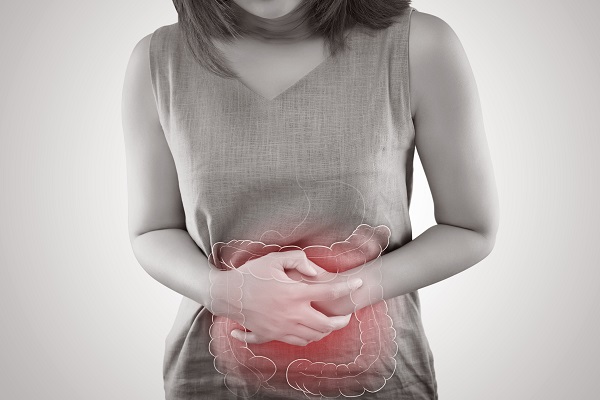
Colon cancer is a type of cancer that usually affects older adults, but it can affect anyone at any age. It begins in the large intestine, or colon, the last portion of the digestive tract. This type of cancer is usually lumped together with rectal cancer and is called colorectal cancer.
What types of colorectal cancer are there?
There are several different types of colorectal cancer, most of which are adenocarcinomas. These types of cancer originate in the walls inside the colon and rectum that make mucus to lubricate them.
Other types of cancers that can originate in the colon or rectum include:
- Gastrointestinal stromal tumors (GISTs): These tumors begin in the interstitial cells of Cajal within the colon wall. Some of these can be benign or noncancerous.
- Carcinoid tumors: This type of tumor starts in hormone-making cells of the intestine.
- Sarcomas: These begin in muscle layers, blood vessels, or other types of connective tissues in the wall of the rectum or colon.
- Lymphomas: This type of cancer usually starts in the lymph nodes but can begin in the rectum or colon. It is a cancer of the immune system cells.
What are the symptoms of colorectal cancer?
Several symptoms may indicate the presence of cancer in the colon, although many people in the early stages of cancer do not experience any symptoms. Symptoms may include:
- Blood in stool or rectal bleeding
- Cramps, gas, or pain in the abdominal area
- Weakness or fatigue
- Unexplained weight loss
- Change in bowel habits, such as a change in consistency of stool
- Feeling that the bowel does not empty entirely
Risk factors of colorectal cancer
Although doctors are not entirely sure what causes most colon cancers, several factors are associated with a higher risk of developing this type of cancer. These risk factors include:
- Older adults: Cancer of the colon can occur at any age, but many diagnosed people are over 50.
- History of colorectal cancer or polyps: If you have previously had colon polyps or cancer, even if they were noncancerous, you are at a higher risk of developing cancer in your colon in the future.
- Inherited syndromes: A small percentage of cancer in the colon has been linked to gene mutations passed through generations. Familial adenomatous polyposis (FAP) and Lynch syndrome are both commonly associated with colon cancer.
- High-fat, low-fiber diet: Colorectal cancers might be associated with diets low in fiber and high in calories and fat. The research done on this has had mixed results.
- Family history: If you have an immediate family member or other blood relative diagnosed with cancer in the colon, you are much more likely to develop a type of colorectal cancer.
Other common risk factors include sedentary lifestyles, diabetes, smoking, alcohol, and patients who have previously been treated with radiation therapy for previous cancers.
Prevention
Several drugs have been found to mitigate the risk of colorectal cancer or precancerous polyps. Other things to help reduce the risk include a healthy and well-balanced diet, eliminating smoking and drinking if possible, exercising regularly, and maintaining a healthy weight.
Get more information here: https://lindenbergcancer.com or call Lindenberg Cancer & Hematology Center at (856) 475-0876
Check out what others are saying about our services on Yelp: Colon Cancer in Marlton, NJ.
Recent Posts
Blood clot disorders often require careful medical treatment, and daily diet can influence how well a care plan supports safe circulation. Food choices do not replace medication, monitoring, or guidance from an oncology and hematology team, but they can affect inflammation, weight, hydration, and medication consistency. Here is a breakdown of how a thoughtful diet…
After a cancer diagnosis, it is important to find the right care for your needs. Searching for chemotherapy near me helps patients and their families learn how treatment works and why oncologists choose certain medications. The following guide explores the different types of chemotherapy and what to expect during treatment. Chemotherapy is a medical treatment that…
Visiting a cancer treatment center can be overwhelming, even when the oncology team provides high-quality care. Loved ones want to help make visits easier. However, it is important to support the patient in a way that respects their comfort, independence, and peace of mind. By understanding common dos and don’ts, you can help make each…
Hematologic disease treatment for leukemia focuses on controlling abnormal blood cell growth, protecting healthy cells, and helping patients move toward remission. Leukemia affects the blood and bone marrow, where the body forms blood cells. An oncologist can evaluate the type of leukemia, the pace of the disease, and the patient's overall health before recommending a…