Skin Cancer Treatments From an Oncologist
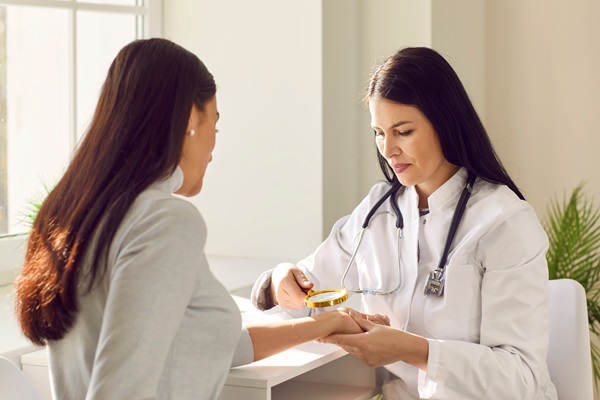
A skin cancer diagnosis can be scary, but if caught early, skin cancer treatment is highly successful, and the disease is rarely fatal. Skin cancer is surprisingly common, and most skin cancers are unlikely to spread to other parts of the body, especially if treated early. If you have recently received a diagnosis, it is natural to be concerned and have many questions. Here is an overview of skin cancer treatment we hope answers some questions and helps put you at ease.
About skin cancer
According to WebMD, skin cancer is the most common human cancer, affecting about 100,000 people in the United States in 2022. Skin cancer involves the growth of abnormal cells in the skin's tissues. There are three main types of skin cancer: basal cell carcinoma, squamous cell carcinoma, and melanoma. The first two are the most common and responsible for most skin cancer cases. These two types, referred to as non-melanoma, are unlikely to spread to other parts of the body, especially if treated early. Melanoma, on the other hand, though not as common, tends to spread to other parts of the body and is more likely to be fatal if not treated early.
Skin cancer treatments
The treatment or treatments will depend on several factors, including the type of cancer, its stage, and its location on the body. Many cancers can be treated by simply removing the tissues, while other cancers may involve a combination of therapies. Our team and oncologist will determine the appropriate treatment on a case-by-case basis.
Surgical skin cancer treatments
The large majority of skin cancers, especially the non-melanoma variety, can be treated with surgical procedures done on an outpatient basis. Surgical treatments include:
- Excision. The doctor removes the tumor and some surrounding healthy tissue to help ensure all cancerous tissue is removed.
- Electrodesiccation and curettage. Involves the use of an instrument to carefully scrape off the tumor and an electric needle to destroy the remaining cancer cells after the removal of the tumor.
- Cryosurgery. The doctor freezes the skin cancer lesion using liquid nitrogen.
- Mohs micrographic surgery. A careful procedure to remove the cancer layer by layer and preserve as much of the surrounding healthy tissue as possible; used for sensitive or aesthetically important areas.
Malignant melanoma is likely to need more aggressive surgery, and neighboring lymph nodes may need to be removed for testing.
Non-surgical skin cancer treatments
Depending on the patient's circumstances, the following non-surgical therapies may be employed instead of or in addition to the surgical options.
Radiation therapy
This therapy employs beams of radiation to destroy cancer cells. Radiation therapy may be used to kill cancer cells in those not candidates for surgery due to their health or the cancer's size or location. Additionally, an oncologist may recommend radiation for skin cancers that have spread and/or have a high risk of recurrence.
Chemotherapy
This common cancer therapy employs medication to kill cancer cells. The anti-cancer medication can be applied directly to the skin in cases where the cancer is still superficial or delivered by pill or IV if the cancer has spread. Though not usually a first-line skin cancer treatment, chemotherapy is usually reserved for cancer, such as melanoma, that has metastasized.
Immunotherapy
An oncologist may employ medications that train the immune system to kill cancer cells. Medication may be delivered by injection, as a topical, or through an IV. Immunotherapy can help treat melanoma or non-melanoma cancers that have spread to other parts of the body or have not responded adequately to other treatments.
Photodynamic therapy
Some skin cancers respond well to photodynamic therapy or PDT. During this treatment, a special medication called a photosensitizer is applied to the skin and absorbed by cancer cells. Then, a special light activates the medication, creating a reaction that destroys cancer cells. Doctors usually employ PDT to treat early-stage, non-melanoma skin cancers.
After treatment
Most skin cancers are successfully resolved if caught early and treated right away. If skin cancer reoccurs in most cases, it happens within the first three years. Therefore, patients must follow up with their oncologist regularly and contact their doctor immediately if they suspect a problem. Patients should continue monthly self-exams and protect their skin by wearing sunscreen and limiting exposure to the sun.
Your skin cancer treatment options
Here at Lindenberg Cancer & Hematology Center, we provide state-of-the-art care for those with cancer. We understand that no two cancer cases are alike and that each patient requires customized and comprehensive care that addresses their unique circumstances. If you have recently received a skin cancer diagnosis, we can help. To learn more about skin cancer treatment options, call our team today.
Request an appointment here: https://lindenbergcancer.com or call Lindenberg Cancer & Hematology Center at (856) 475-0876 for an appointment in our Marlton office.
Check out what others are saying about our services on Yelp: Skin Cancer Treatment in Marlton, NJ.
Recent Posts
Being referred to a hematologist may feel like a cause for concern, particularly when it follows an unexpected blood test result. However, a referral does not automatically mean cancer or another life-threatening condition. It simply means that your primary care doctor wants a specialist to take a closer look at the blood, bone marrow, and…
While ovarian cancer and cysts develop in the same organ and share similar symptoms, they are not the same condition. Many individuals worry about the worst-case scenario when they feel this sort of discomfort, but knowledge is the first step toward peace of mind. Learning how to spot the key differences can help you make…
Blood clot disorders often require careful medical treatment, and daily diet can influence how well a care plan supports safe circulation. Food choices do not replace medication, monitoring, or guidance from an oncology and hematology team, but they can affect inflammation, weight, hydration, and medication consistency. Here is a breakdown of how a thoughtful diet…
After a cancer diagnosis, it is important to find the right care for your needs. Searching for chemotherapy near me helps patients and their families learn how treatment works and why oncologists choose certain medications. The following guide explores the different types of chemotherapy and what to expect during treatment. Chemotherapy is a medical treatment that…