Gastrointestinal Cancer Treatment Options: A Comprehensive Guide
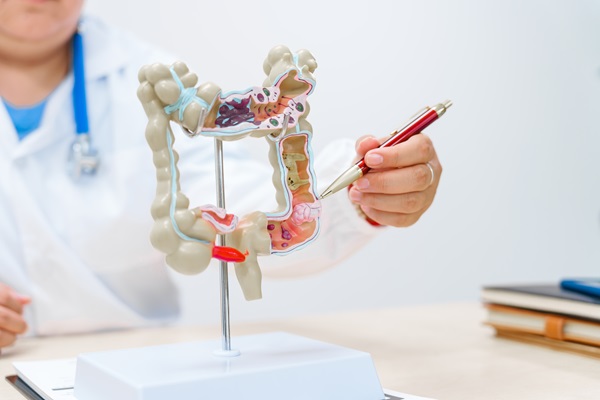
Gastrointestinal cancer treatment requires a tailored and multifaceted approach to treating cancer affecting the digestive system. Gastrointestinal (GI) cancers can develop anywhere along the digestive tract. Though a cancer diagnosis is a scary experience, understanding your condition and treatment options will help ease your anxiety and make informed decisions about your health.
Overview of gastrointestinal cancer
The gastrointestinal tract, also known as the GI tract, begins with the esophagus and ends with the anus. It includes major organs such as the stomach, liver, pancreas, and colon. Cancer occurs when changes in DNA cause the growth of abnormal cells. GI cancer is where abnormal cells grow along the GI tract.
Causes and risk factors
As with many cancers, there is no known exact cause of GI cancer. However, researchers believe several factors can contribute to this type of cancer. GI cancer appears to be influenced by a combination of genetic, environmental, and lifestyle factors.
Certain genetic mutations can also predispose people to this type of cancer, as can certain infections such as hepatitis B and C or HPV. Risk factors for GI cancers include smoking, excessive alcohol consumption, obesity, and a low-fiber diet high in processed meat. However, some individuals have no risk factors and still develop GI cancer, as not everyone with the above risk factors will develop GI cancer.
Who offers gastrointestinal cancer treatment?
Like many cancers, gastrointestinal cancer treatment will likely involve a team of healthcare professionals handling different aspects of care. A medical oncologist or gastrointestinal oncologist often oversees the overall cancer treatment plan. These medical doctors specialize in treating cancers using chemotherapy, immunotherapy, and targeted therapy. Other specialists may include surgical oncologists and radiation oncologists.
Guide to gastrointestinal cancer treatment options
Each treatment plan is unique to the individual, taking into account several factors, including the location of the cancer, its progression, and the patient's overall health. A gastrointestinal cancer treatment plan may include some combination of the following.
Chemotherapy
One of the most well-known cancer treatments and the cornerstone of GI cancer therapies is chemotherapy. Often, It involves using a combination of powerful medications delivered orally or intravenously to kill cancer cells or slow or stop their growth. Over a dozen chemotherapy drugs are used in gastrointestinal cancer treatment. Though an effective treatment, chemotherapy does come with unpleasant side effects, including nausea, vomiting, fatigue, and hair loss.
Radiation therapy
This treatment employs high-energy waves like X-rays to kill cancer cells. As with chemotherapy, radiation therapy can shrink tumors to make them easier to remove during surgery or be applied after to kill cancer cells not removed during surgery. Precision techniques such as intensity-modulated radiation therapy (IMRT) can kill cancer cells while minimizing damage to surrounding tissue and reducing side effects.
Surgical treatment
Oncological surgery is commonly used to treat localized cancers and may be the only treatment needed if the cancer has not spread. Typically, the goal is to remove the tumor and some surrounding tissue to reduce the risk of recurrence. Often, surgery is combined with chemotherapy or radiation to help enhance treatment effectiveness. The type of surgery depends largely on the location and may involve minimally invasive techniques such as laparoscopic surgery.
Targeted therapy
Like chemotherapy, targeted therapy uses medication to kill cancer cells. However, unlike chemotherapy, this therapy only targets cancer cells, so the damage to healthy cells is limited. The result is often fewer side effects than those experienced with chemo. Targeted therapy can be used alone or in addition to other cancer therapies.
Immunotherapy
Immunotherapy uses drugs that leverage a patient's immune system to identify and kill cancer cells. Like targeted therapy, it can be used alone or with other therapies as part of an overall gastrointestinal cancer treatment plan. Like targeted therapy, immunotherapy offers the potential for fewer side effects than chemotherapy.
Hormone therapy
Though not as common, certain GI cancers are hormone-sensitive. In these cases, hormone therapy can be beneficial. This therapy employs drugs that add, block, or remove certain hormones, such as estrogen and testosterone, that some cancer cells use to grow. Hormone therapy can enhance the effectiveness of other cancer therapies and help reduce the risk of the cancer coming back.
Understanding GI cancer and your treatment options
Our team at Lindenberg Cancer & Hematology Center understands how intimidating a cancer diagnosis can be. However, we want to reassure you that you are in experienced and caring hands. We will be with you every step of the way, providing effective treatment methods personalized to your unique needs. Call us today if you have any further questions about your gastrointestinal cancer treatment options.
Request an appointment here: https://lindenbergcancer.com or call Lindenberg Cancer & Hematology Center at (856) 475-0876 for an appointment in our Marlton office.
Check out what others are saying about our services on Yelp: Gastrointestinal Cancer Treatment in Marlton, NJ.
Recent Posts
Visiting a cancer treatment center can be overwhelming, even when the oncology team provides high-quality care. Loved ones want to help make visits easier. However, it is important to support the patient in a way that respects their comfort, independence, and peace of mind. By understanding common dos and don’ts, you can help make each…
Hematologic disease treatment for leukemia focuses on controlling abnormal blood cell growth, protecting healthy cells, and helping patients move toward remission. Leukemia affects the blood and bone marrow, where the body forms blood cells. An oncologist can evaluate the type of leukemia, the pace of the disease, and the patient's overall health before recommending a…
Colon cancer treatment can bring up a lot of questions for patients and their loved ones, particularly in the days after diagnosis. On top of everything else, the process introduces new terms, involves several specialists, and entails important decisions about next steps. While that can feel like a lot to take in, each part of…
Finishing a gynecological cancer treatment is a major milestone. However, you might feel unsure about what to expect during recovery, as the road ahead brings distinct changes. This period involves physical adjustments, emotional shifts, and a steady return to regular life. Understanding what to expect in these post-treatment steps provides a reliable map for the weeks…