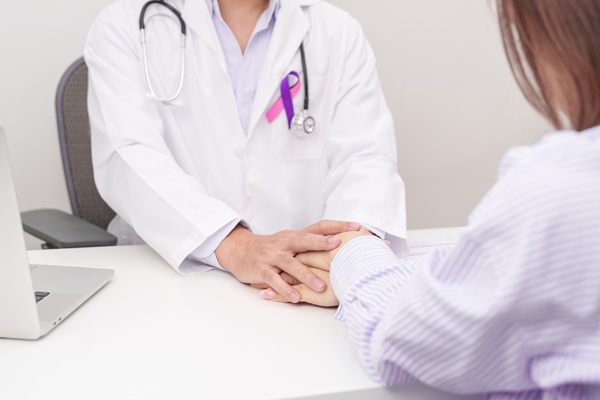
What to Expect Throughout the Recovery Period Following Gynecological Cancer Treatment

Finishing a gynecological cancer treatment is a major milestone. However, you might feel unsure about what to expect during recovery, as the road ahead brings distinct changes. This period involves physical adjustments, emotional shifts, and a steady return to regular life. Understanding what to expect in these post-treatment steps provides a reliable map for the weeks ahead.
The immediate post-treatment phase
The first few weeks after active care focus on physical stability and acute symptom control. Surgical wounds require careful protection to prevent infection and promote proper tissue repair. Patients who experience extensive pelvic surgery will likely experience temporary shifts in their urinary and bowel habits. Over several weeks, these shifts usually normalize and dissipate.
If the patient underwent chemotherapy or radiation therapy as part of their cancer treatment plan, their body deals with residual effects long after the final appointment. These systemic therapies affect the bone marrow, so the patient will need regular blood tests to track their blood cell counts.
The patient may experience persistent nausea, nerve numbness, and skin irritation from radiation. These symptoms often require specific management strategies from the care team. Regular follow-up visits also allow the oncologist to monitor early progress and resolve issues before they escalate and affect the patient’s overall quality of life.
Physical side effects to watch out for
Physical recovery does not end when active care stops. Many individuals encounter lingering symptoms that require patient, steady management. To ease this transition, patients will need to focus on several key areas of body care, including:
- Severe fatigue: This tiredness is deeper than what the patient’s activity level suggests and requires getting adequate rest.
- Surgical menopause: The removal of the ovaries can cause sudden hot flashes, night sweats, and localized dryness.
- Gastrointestinal distress: Dietary changes and nutritional advice can help resolve common GI issues after cancer treatment, such as constipation or diarrhea.
- Nerve discomfort: Tingling in the hands and feet can affect balance and require safety measures to prevent falls.
Focusing on these physical side effects and goals can help steady the course of daily rehabilitation and long-term recovery after cancer treatment.
Emotional and mental wellness
When active gynecological cancer treatment comes to an end, it can come with mixed feelings. While relief is common, many individuals may also experience anxiety about the disease coming back. Additionally, they may experience depression symptoms, such as deep sadness, sleep disruptions, and changes in their body perception, all of which can impact their daily life.
Consultations with oncology counselors or psychologists provide effective coping tools for processing these internal changes. Local or online support groups also offer a safe space for patients in post-treatment to share stories. It can be comforting for those in recovery to speak with individuals who understand the daily realities and challenges of gynecological cancer treatment.
Intimacy considerations
Because pelvic tumors involve reproductive organs, sexual health represents an important part of the wellness journey. Altered anatomy, scar tissue, and hormonal changes can affect the patient’s physical comfort. If the patient is struggling to return to healthy intimacy with their sexual or romantic partner(s), honest conversations with their healthcare providers can ensure quick access to helpful medical options. Remember: the body just went through an intensive journey; there should be no embarrassment or shame in asking for help along the way.
Returning to everyday activities
A return to everyday life requires a step-by-step approach to daily routines. The following lifestyle changes can help individuals reclaim their independence at a safe pace:
- Prioritizing tasks to conserve energy
- Cognitive exercises to prevent mental fog or focus issues
- Pelvic floor therapy to relieve muscle tension and restore structural control
- Gentle cardiovascular exercise to build heart strength
- Use safe moisture options to reduce discomfort
- Set clear and realistic boundaries about energy limits
By adopting the habits above, the patient can pace themselves as they gradually return to their social and employment duties. Family members can provide vital help during this phase to prevent physical setbacks.
Long-term medical monitoring
Follow-up care and long-term medical monitoring are other important parts of adjusting to life after completing the active treatment phase. Once the patient completes their treatment, their oncology team will develop a remission-focused plan that outlines specific testing schedules for the next few years. These rules include regular pelvic checkups, blood tests, and diagnostic scans based on the original tumor traits. Committing to this long-term plan ensures that oncologists can detect early signs of late-onset effects, such as bone density loss or tissue stiffening. Additionally, close cooperation between the patient’s primary and oncology care teams creates a seamless medical network over time.
The Lindenberg Cancer & Hematology Center team is here to support you
The road after gynecological cancer treatment involves distinct steps of physical repair, emotional growth, and medical care. Although it requires patience, support from your medical team can make all the difference. By using available resources and focusing on small wins each day, you can regain your strength and build a bright, healthy future. Call our Marlton to learn more or to schedule an appointment.
Request an appointment here: https://lindenbergcancer.com or call Lindenberg Cancer & Hematology Center at (856) 475-0876 for an appointment in our Marlton office.
Check out what others are saying about our services on Yelp: Gynecological Cancer Treatment in Marlton, NJ.
Recent Posts
After a cancer diagnosis, it is important to find the right care for your needs. Searching for chemotherapy near me helps patients and their families learn how treatment works and why oncologists choose certain medications. The following guide explores the different types of chemotherapy and what to expect during treatment. Chemotherapy is a medical treatment that…
Visiting a cancer treatment center can be overwhelming, even when the oncology team provides high-quality care. Loved ones want to help make visits easier. However, it is important to support the patient in a way that respects their comfort, independence, and peace of mind. By understanding common dos and don’ts, you can help make each…
Hematologic disease treatment for leukemia focuses on controlling abnormal blood cell growth, protecting healthy cells, and helping patients move toward remission. Leukemia affects the blood and bone marrow, where the body forms blood cells. An oncologist can evaluate the type of leukemia, the pace of the disease, and the patient's overall health before recommending a…
Colon cancer treatment can bring up a lot of questions for patients and their loved ones, particularly in the days after diagnosis. On top of everything else, the process introduces new terms, involves several specialists, and entails important decisions about next steps. While that can feel like a lot to take in, each part of…