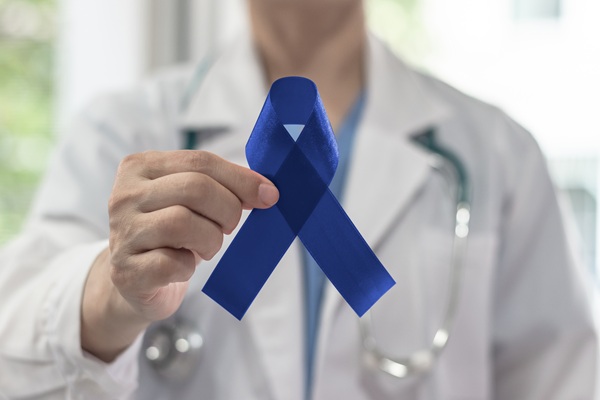
Colon cancer treatment can bring up a lot of questions for patients and their loved ones, particularly in the days after diagnosis. On top of everything else, the process introduces new terms, involves several specialists, and entails important decisions about next steps. While that can feel like a lot to take in, each part of the treatment plan has a purpose. An oncologist can explain the diagnosis, review the available options, and help patients move forward with a clearer sense of what to expect.
Colon cancer treatment FAQs
Questions are a normal and helpful part of the treatment process. An oncologist wants to help patients and their loved ones understand why a specific treatment is recommended, how long care may take, and what recovery may look like. Below, explore the answers to some of the most common questions about colon cancer treatment.
1. What are the treatment options for colon cancer?
Colon cancer treatment options include surgery, chemotherapy, radiation therapy, targeted therapy, immunotherapy, or a combination of these options. Surgery is usually the main treatment path when the cancer can be completely removed, such as when caught early. Chemotherapy may follow surgery to reduce the risk of recurrence, or it may be given before surgery (preoperative chemotherapy) in select cases to help shrink the tumor.
Radiation therapy is used less often for colon cancer than for rectal cancer, but it may help in certain cases when a tumor affects nearby tissues or causes symptoms. Next, targeted therapy uses medicines that target specific features of cancer cells, such as certain gene or protein changes. Finally, immunotherapy helps the immune system recognize and attack cancer cells and may be an option when testing shows specific tumor markers. An oncologist can review test results and explain which approach may make the most sense.
2. How does the cancer stage affect treatment?
The stage of colon cancer helps guide nearly every part of the treatment plan. Earlier-stage cancers may only need surgery if the tumor has not spread beyond the colon wall or nearby tissues. When cancer reaches the lymph nodes, chemotherapy may be recommended after surgery to help lower the chance of recurrence. More advanced colon cancer may require a broader plan that uses medications to control the disease and support quality of life.
Staging also helps patients understand the goal of treatment. For some, the goal may be to remove the cancer completely. For others, treatment may focus on shrinking tumors, slowing growth, easing symptoms, or helping the patient maintain daily comfort and strength. An oncologist can explain what the stage means in clear terms and help patients understand the purpose behind each recommendation.
3. What happens after colon cancer treatment?
After colon cancer treatment, follow-up care becomes an important part of recovery and long-term monitoring. Patients may need regular appointments, blood tests, imaging, and colonoscopies based on the stage of cancer and the treatment received. These visits help the care team check for signs of recurrence and address any ongoing side effects. They also give patients a chance to discuss energy levels, bowel changes, appetite, mental health, and other concerns that may arise after treatment.
This phase can feel hopeful and emotional at the same time. Many patients feel relieved when treatment ends, but they may still feel anxious before scans or follow-up visits. This reaction is common. A clear schedule can make the next stage feel more organized, and an oncologist can help patients understand which symptoms to report right away.
4. Can colon cancer come back?
Yes, any cancer can come back after treatment. However, the risk depends on several factors, including the original stage, tumor features, lymph node involvement, and response to treatment. The cancer may come back (recurrence) near the original site or in another area of the body. Follow-up care gives the oncology team a way to watch for changes and respond as early as possible if new concerns appear.
5. How should patients prepare for colon cancer treatment?
Patients can prepare for colon cancer treatment by learning what the recommended plan involves and asking questions before treatment begins. It helps to understand the treatment goal, the expected schedule, possible side effects, and how daily routines may change. Patients should also share a complete list of medications, supplements, allergies, and medical conditions with the care team.
Helpful questions to ask may include:
- What is the goal of my treatment plan?
- How long will this specific treatment last?
- What side effects should be reported right away?
In addition, loved ones can help by taking notes during visits, providing transportation, or simply offering steady encouragement. Colon cancer treatment often feels more manageable when patients have both medical guidance and personal support. So, it is a good idea to prepare to lean on your closest friends and family.
Consult an oncologist about colon cancer treatment
Colon cancer treatment can involve several decisions, but patients do not have to sort through them alone. An oncologist can help. Contact our Marlton office for comprehensive cancer care.
Request an appointment here: https://lindenbergcancer.com or call Lindenberg Cancer & Hematology Center at (856) 475-0876 for an appointment in our Marlton office.
Check out what others are saying about our services on Yelp: Colon Cancer Treatment in Marlton, NJ.
Recent Posts
Being referred to a hematologist may feel like a cause for concern, particularly when it follows an unexpected blood test result. However, a referral does not automatically mean cancer or another life-threatening condition. It simply means that your primary care doctor wants a specialist to take a closer look at the blood, bone marrow, and…
While ovarian cancer and cysts develop in the same organ and share similar symptoms, they are not the same condition. Many individuals worry about the worst-case scenario when they feel this sort of discomfort, but knowledge is the first step toward peace of mind. Learning how to spot the key differences can help you make…
Blood clot disorders often require careful medical treatment, and daily diet can influence how well a care plan supports safe circulation. Food choices do not replace medication, monitoring, or guidance from an oncology and hematology team, but they can affect inflammation, weight, hydration, and medication consistency. Here is a breakdown of how a thoughtful diet…
After a cancer diagnosis, it is important to find the right care for your needs. Searching for chemotherapy near me helps patients and their families learn how treatment works and why oncologists choose certain medications. The following guide explores the different types of chemotherapy and what to expect during treatment. Chemotherapy is a medical treatment that…