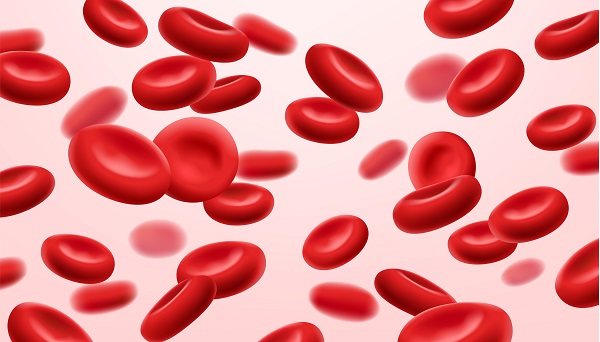
Anemia is a health issue that is caused by not having enough healthy red blood cells to deliver oxygen to tissues in the body. People with the condition often report feeling weak and tired. Anemia can be a short- or long-term health issue, and its severity varies from mild to severe.
Some of the most common types of anemia include:
- Iron deficiency anemia: This is caused by a person not having enough iron molecules in their body. This hinders the production of red blood cells in the bone marrow since it needs iron to make hemoglobin. Pregnant women are more likely to develop this type of anemia
- Vitamin deficiency anemia: This occurs when a person is not getting enough essential vitamins like vitamin B-12 and folic acid. The lack of essential nutrients slows down the production of red blood cells
- Sickle cell anemia: This condition is often inherited. It is caused by defective red blood cells with a sickle shape. These deformed cells have a shorter lifespan than healthy red blood cells, leading to a chronic shortage
- Aplastic anemia: This is a life-threatening form of anemia that is caused by various things like infection, exposure to toxic chemicals, or autoimmune disorders
Everything you should know about anemia
The symptoms of anemia vary based on the type of anemia a person has. Some of the more general symptoms of anemia include:
- Weakness
- Fatigue
- Chest pain
- Cold hands and feet
- Irregular heartbeat
- Pale skin
- Headaches
- Shortness of breath
People with mild cases of anemia often do not notice any symptoms, but that gradually changes as the condition worsens.
Diagnosing anemia
Diagnosing anemia starts with the doctor talking to the patient about their family and medical history. A physical examination is also performed to rule out the possibility of the patient’s condition being caused by a physical issue.
The doctor might also perform tests like a complete blood count (CBC). This involves counting the number of red blood cells in a sample of the patient’s blood and assessing their hemoglobin levels. If the doctor suspects the patient might be anemic, additional tests might be ordered to confirm the diagnosis.
Treatment
Some of the ways a doctor might go about treating patients with anemia include:
- Supplementation: Anemia caused by iron or vitamin deficiencies can be addressed by supplementing the patient's diet with the missing nutrients
- Addressing underlying issues: If issues like blood loss are causing the patient’s anemia, the doctor will attempt to treat the problem causing it
- Blood transfusions: Aplastic anemia can be fixed by performing blood transfusions to boost the levels of the person’s red blood cells. In some cases, bone marrow transplants might be performed to help increase the production of red blood cells in the patient’s body
Get treatment for anemia
Our oncologist has lots of experience treating patients with anemia, helping them restore their quality of life. Give us a call or visit our Marlton clinic to set up an appointment.
Request an appointment here: https://lindenbergcancer.com or call Lindenberg Cancer & Hematology Center at (856) 475-0876 for an appointment in our Marlton office.
Check out what others are saying about our services on Yelp: Anemia in Marlton, NJ.
Recent Posts
Being referred to a hematologist may feel like a cause for concern, particularly when it follows an unexpected blood test result. However, a referral does not automatically mean cancer or another life-threatening condition. It simply means that your primary care doctor wants a specialist to take a closer look at the blood, bone marrow, and…
While ovarian cancer and cysts develop in the same organ and share similar symptoms, they are not the same condition. Many individuals worry about the worst-case scenario when they feel this sort of discomfort, but knowledge is the first step toward peace of mind. Learning how to spot the key differences can help you make…
Blood clot disorders often require careful medical treatment, and daily diet can influence how well a care plan supports safe circulation. Food choices do not replace medication, monitoring, or guidance from an oncology and hematology team, but they can affect inflammation, weight, hydration, and medication consistency. Here is a breakdown of how a thoughtful diet…
After a cancer diagnosis, it is important to find the right care for your needs. Searching for chemotherapy near me helps patients and their families learn how treatment works and why oncologists choose certain medications. The following guide explores the different types of chemotherapy and what to expect during treatment. Chemotherapy is a medical treatment that…