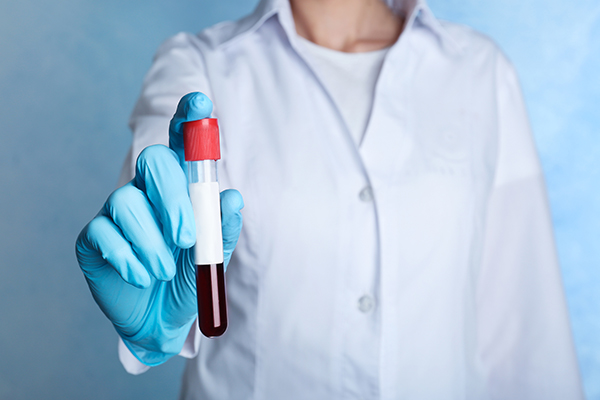
A hematologist is a licensed doctor who specializes in the treatment of blood disorders and disorders of the lymphatic system. Your primary care doctor may recommend visiting a hematologist if they suspect any abnormalities in your blood, or you can visit a hematologist directly if you have symptoms that may indicate a blood disorder. This review provides an in-depth analysis of the various blood disorders that a hematologist can help treat.
Types of blood disorders that a hematologist can help treat
Hematologists can treat a range of blood disorders, including but not limited to anemia, deep vein thrombosis, hemophilia, leukemia, lymphoma, and sepsis. The following is a detailed review of each blood disorder, its symptoms, and how a hematologist may recommend treating each condition.
Anemia
Anemia is a common blood condition that occurs when there are not enough red blood cells in the body. This can cause a reduced flow of oxygen throughout the body, leading to symptoms such as fatigue, pale skin, shortness of breath, and dizziness. There are more than 400 types of anemia. Six general types of anemia are:
- Iron deficiency anemia
- Vitamin deficiency anemia
- Sickle cell anemia
- Hemolytic anemia
- Aplastic anemia
- Anemia of inflation
To determine why there is a lack of red blood cells in a patient’s body, a hematologist may begin by running a series of tests. The underlying cause, whatever it is, will determine the recommended method of treatment. Common types of anemia treatments include iron supplements (specifically to treat iron deficiency) and vitamin B supplements (for low vitamin levels). In some cases, the hematologist may recommend blood transfusions or medications to help induce more blood formation.
Deep vein thrombosis
Deep vein thrombosis is a condition in which a blood clot (or multiple blood clots) form inside veins of the leg(s). This is a serious condition because it could lead to blood clots inside of the lungs. Blood clots related to deep vein thrombosis often dissolve on their own, although they are not always without symptoms. Common symptoms include leg pain, swelling in the leg, warm skin, and tenderness. Patients should visit a hematologist if they have been diagnosed with or suspect that they may have deep vein thrombosis, especially if they are showing symptoms. In the long term, a hematologist may recommend specific devices to treat deep vein thrombosis, such as intermittent pneumatic compression devices. Medications such as anticoagulants may be options.
Hemophilia
Hemophilia is a condition in which blood is not able to clot properly. This can lead to severe bleeding from minor injuries. Common symptoms of hemophilia include excessive bleeding from small cuts and scrapes, excessive bruising from minor injuries, joint pain and swelling, nosebleeds (without an obvious cause), and increased irritability in toddlers. Hematologists can typically diagnose hemophilia after reviewing the patient’s family and medical history and taking various blood tests. Treatment typically includes clotting promoter medications to help reduce excessive bleeding.
Leukemia
Leukemia is a type of cancer that affects blood cells. It is usually caused by an increase of white blood cells in the body. There are three primary types of leukemia,: acute lymphoblastic leukemia, acute myeloid leukemia, and chronic lymphocytic leukemia. Many patients do not have symptoms in the early stages, especially with slow-growing leukemia. When symptoms do develop, they usually include severe fatigue, swollen lymph nodes, unexplained weight loss, higher susceptibility to infections, and easy bleeding and bruising. The treatment that a hematologist recommends depends on the type and severity of the leukemia. Commonly recommended solutions include chemotherapy, blood transfusions, and medical procedures such as hematopoietic stem cell transplantation.
Lymphoma
Lymphoma, also called lymphatic cancer, is a type of cancer that is caused by the rapid growth of white blood cells (known as lymphocytes). The symptoms of lymphoma include swollen lymph nodes, fever, weight loss, fatigue, and abdomen swelling, among a range of other possible symptoms. Every patient’s treatment plan is personalized and unique, and it may include a combination of therapy (e.g., radiation therapy), medications (e.g., bone marrow stimulant or blood transfusions), and surgery.
Our hematologist can help diagnose and treat blood disorders
If you have a referral from your primary care doctor to see a hematologist or if you are experiencing complications that indicate a potential blood-related condition (or a condition with the lymphatic system), then call our office today. Our hematologist and staff can help you get to the bottom of the symptoms that you are experiencing and recommend a treatment plan if you are diagnosed with a blood-related disorder.
Get more information here: https://lindenbergcancer.com or call Lindenberg Cancer & Hematology Center at (856) 475-0876
Check out what others are saying about our services on Yelp: Blood Disorders in Marlton, NJ.
Recent Posts
Being referred to a hematologist may feel like a cause for concern, particularly when it follows an unexpected blood test result. However, a referral does not automatically mean cancer or another life-threatening condition. It simply means that your primary care doctor wants a specialist to take a closer look at the blood, bone marrow, and…
While ovarian cancer and cysts develop in the same organ and share similar symptoms, they are not the same condition. Many individuals worry about the worst-case scenario when they feel this sort of discomfort, but knowledge is the first step toward peace of mind. Learning how to spot the key differences can help you make…
Blood clot disorders often require careful medical treatment, and daily diet can influence how well a care plan supports safe circulation. Food choices do not replace medication, monitoring, or guidance from an oncology and hematology team, but they can affect inflammation, weight, hydration, and medication consistency. Here is a breakdown of how a thoughtful diet…
After a cancer diagnosis, it is important to find the right care for your needs. Searching for chemotherapy near me helps patients and their families learn how treatment works and why oncologists choose certain medications. The following guide explores the different types of chemotherapy and what to expect during treatment. Chemotherapy is a medical treatment that…