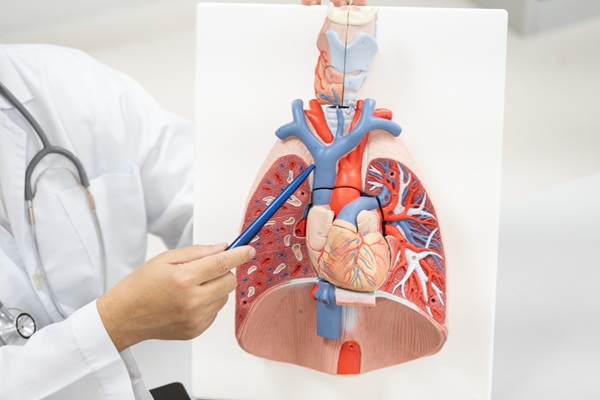
Lung cancer treatment works best when care moves in clear steps, from early detection to a personalized plan and steady follow-up. A simple roadmap reduces fear and helps patients and families know what to expect. While the patient is not easy, partnering with an oncologist can make it clear, coordinated, and keep you informed every step of the way.
Why early detection matters for lung cancer treatment
Screenings can find lung changes before symptoms appear. Low-dose CT scans detect small spots that a chest X-rays may miss. People who smoke now or previously, and who meet age and risk guidelines, benefit from regular screenings. When a concern shows up early, lung cancer treatment often becomes less complex and more effective.
Confirming a lung cancer diagnosis
If a scan shows a nodule or mass, the next step is to learn what it is. An oncologist reviews images, health history, and risk factors. Many patients then undergo tests such as a positron emission tomography (PET) scan, bronchoscopy, or a needle biopsy. These tests collect cells to confirm whether cancer is present and to determine its type. Clear answers guide the rest of the plan and set the stage for the right lung cancer treatment.
Staging and building the care team
After determining the presence of cancer, the oncologist will move to staging. Staging describes how far the cancer has spread. Imaging and sometimes surgical sampling of lymph nodes help determine this stage. With this information, a coordinated team forms around the patient. The team often includes a medical oncologist, a thoracic surgeon, a radiation oncologist, nurses, and supportive care professionals. Together, the team designs a plan that matches the cancer stage, overall health, and personal goals.
Choosing a lung cancer treatment plan
Most plans blend one or more options. The goal is to remove or control cancer, protect healthy tissue, and maintain quality of life.
- Surgery. Removes tumors that are small and in a safe location.
- Radiation therapy. Targets cancer cells with focused energy, often when surgery is not an option or to protect nearby structures.
- Systemic therapies. Medicines that travel through the body, such as chemotherapy, targeted therapy, and immunotherapy.
- Clinical trials. Offers access to new therapies under careful monitoring.
Modern lung cancer treatment often involves testing for gene mutations, such as those in the epidermal growth factor receptor (EGFR) or ALK-positive (ALK+) genes. If a specific change is present, targeted pills may block the signal that helps cancer grow. Immunotherapy helps the immune system recognize and attack cancer cells. The oncology team explains why each choice fits the stage and goals.
Supportive care and everyday wellness
As the name suggests, supportive care works alongside active treatment. It focuses on energy, comfort, and daily function. Nutrition guidance, safe movement plans, and sleep support help the body stay strong. Specialists manage symptoms like cough, pain, or shortness of breath. Mental health care alleviates worry and enhances focus during decision-making. Good supportive care strengthens the results of lung cancer treatment and protects the quality of life.
Timelines patients can expect
Many patients follow a rhythm: testing and staging, treatment cycles, and then rest periods. Surgery may involve a short hospital stay and a few weeks of recovery. Chemotherapy often follows a cycle, typically every two to three weeks. Radiation sessions may occur daily for several weeks or in shorter, focused courses. Immunotherapy and targeted therapy, on the other hand, usually follow a schedule of regular infusions or daily pills. Of course, these are simple estimations, and the oncology team will evaluate milestones for each patient and make adjustments as necessary.
Side effects and how teams manage them
Side effects vary by treatment and person. Common issues include fatigue, nausea, appetite changes, or skin irritation in the radiation area. Targeted drugs and immunotherapy can produce specific effects that the team closely monitors and evaluates. Early reporting leads to quick solutions, such as adjustments to medication, hydration plans, or skin and mouth care routines. The goal is to keep treatment on track while protecting safety and comfort.
What to expect during follow-ups
After active therapy, the planned follow-up begins. Regular screenings check for response and watch for any signs of return. Survivorship visits focus on long-term health: lung function, heart care, bone strength, and mental well-being. Many patients continue maintenance therapy or complete a set schedule and then move to monitoring only. Healthy habits, such as abstaining from tobacco, maintaining a balanced diet, engaging in approved activities, and receiving vaccinations, support the gains made during lung cancer treatment.
Schedule an appointment
A clear timeline reduces stress and strengthens results. From early screening and precise diagnosis to staging, therapy, and long-term follow-up, each step in lung cancer treatment serves a purpose. If you have recently been diagnosed or are under suspicion of having lung cancer, contact our office to schedule an appointment.
Request an appointment here: https://lindenbergcancer.com or call Lindenberg Cancer & Hematology Center at (856) 475-0876 for an appointment in our Marlton office.
Check out what others are saying about our services on Yelp: Read our Yelp reviews.
Recent Posts
Being referred to a hematologist may feel like a cause for concern, particularly when it follows an unexpected blood test result. However, a referral does not automatically mean cancer or another life-threatening condition. It simply means that your primary care doctor wants a specialist to take a closer look at the blood, bone marrow, and…
While ovarian cancer and cysts develop in the same organ and share similar symptoms, they are not the same condition. Many individuals worry about the worst-case scenario when they feel this sort of discomfort, but knowledge is the first step toward peace of mind. Learning how to spot the key differences can help you make…
Blood clot disorders often require careful medical treatment, and daily diet can influence how well a care plan supports safe circulation. Food choices do not replace medication, monitoring, or guidance from an oncology and hematology team, but they can affect inflammation, weight, hydration, and medication consistency. Here is a breakdown of how a thoughtful diet…
After a cancer diagnosis, it is important to find the right care for your needs. Searching for chemotherapy near me helps patients and their families learn how treatment works and why oncologists choose certain medications. The following guide explores the different types of chemotherapy and what to expect during treatment. Chemotherapy is a medical treatment that…