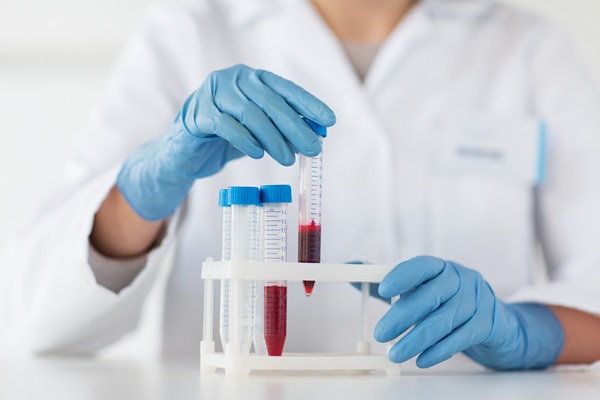
Anemia is a common blood disorder that occurs when the body lacks enough healthy red blood cells to carry adequate oxygen to the tissues. Managing anemia in the long term requires a proactive and comprehensive approach, as the condition can significantly impact a person's energy levels, overall health, and quality of life. For individuals with chronic or severe anemia, long-term management is essential to prevent complications and ensure optimal health. Here are some recommendations from an oncologist to help you on your journey.
Understanding anemia and its types
Anemia is a condition that can result from various causes, including nutritional deficiencies, chronic diseases, or underlying medical conditions. The most common types of anemia include iron deficiency anemia, vitamin B12 deficiency anemia, and anemia associated with chronic diseases, such as kidney disease or cancer.
Iron deficiency anemia occurs when the body lacks sufficient iron to produce hemoglobin, which is essential for transporting oxygen in the blood. Vitamin B12 deficiency anemia results from insufficient levels of vitamin B12, which is necessary for red blood cell production. According to the American Society of Hematology, anemia is often associated with conditions such as liver disease, chronic kidney disease, or certain types of cancer, which can interfere with the production of red blood cells. Understanding the underlying cause of anemia is crucial for determining the most effective long-term management strategy.
Dietary adjustments for managing anemia
One of the most effective ways to manage anemia long-term is through dietary changes that support red blood cell production. Eating a balanced diet rich in iron, vitamins, and minerals is essential for individuals with anemia. For those with iron-deficiency anemia, increasing the intake of iron-rich foods is key. Good sources of iron include lean meats, beans, lentils, spinach, and fortified cereals. Pairing these iron-rich foods with those high in vitamin C, such as fruits or bell peppers, can help improve iron absorption in the body.
For individuals with vitamin B12 deficiency anemia, increasing the intake of foods rich in vitamin B12, such as meat, fish, eggs, and dairy products, is important. Vegetarians or individuals with difficulty absorbing vitamin B12 may need to take supplements or receive vitamin B12 injections, as recommended by a healthcare specialist, such as an oncologist.
Additionally, folic acid is another important component for red blood cell production. Foods such as leafy greens, nuts, and whole grains are excellent sources of folic acid, and including them in the diet can support long-term anemia management.
Iron and vitamin supplements
For individuals with anemia, dietary changes alone may not always be enough to correct the condition. Oncologists often recommend iron, vitamin B12, and folic acid supplements to help boost red blood cell production. These supplements can help individuals meet their daily requirments and prevent or treat deficiencies that contribute to anemia.
They also commonly prescribe iron supplements for individuals with iron-deficiency anemia, which may be available in various forms, including ferrous sulfate and iron gluconate. It is important to take these supplements as directed by an oncologist, as excessive iron intake can lead to side effects such as constipation or nausea.
For those with vitamin B12 deficiency anemia, B12 supplements may be necessary in the form of oral tablets, sublingual tablets, or injections. An oncologist will determine the most effective form and dosage based on the severity of the deficiency and individual health needs.
Medical treatments and monitoring
In cases where anemia results from chronic disease or is severe, medical treatments may be necessary to manage the condition. For anemia related to chronic diseases, such as kidney disease or cancer, addressing the underlying condition is crucial for long-term anemia management. In some cases, medications that stimulate red blood cell production, such as erythropoiesis-stimulating agents (ESAs), may be necessary to increase red blood cell count.
For individuals with severe anemia, a blood transfusion may be necessary in emergencies to rapidly increase red blood cell levels. However, transfusions are typically reserved for acute cases, as they do not address the underlying cause of anemia.
Regular monitoring by an oncologist is essential to track progress and adjust treatment plans as needed. Blood tests, including hemoglobin levels, iron levels, and vitamin B12 levels, will help oncologists assess the effectiveness of the treatment and make adjustments accordingly. Long-term anemia management often requires ongoing care to ensure the individual's health is stabilized.
Call us for more information
Managing anemia in the long term requires a multifaceted approach that includes dietary changes, supplementation, medical treatments, and lifestyle adjustments. Understanding the underlying cause of anemia is essential for determining the most effective treatment plan.
Request an appointment here: https://lindenbergcancer.com or call Lindenberg Cancer & Hematology Center at (856) 475-0876 for an appointment in our Marlton office.
Check out what others are saying about our services on Yelp: Hematologist in Marlton, NJ.
Recent Posts
While ovarian cancer and cysts develop in the same organ and share similar symptoms, they are not the same condition. Many individuals worry about the worst-case scenario when they feel this sort of discomfort, but knowledge is the first step toward peace of mind. Learning how to spot the key differences can help you make…
Blood clot disorders often require careful medical treatment, and daily diet can influence how well a care plan supports safe circulation. Food choices do not replace medication, monitoring, or guidance from an oncology and hematology team, but they can affect inflammation, weight, hydration, and medication consistency. Here is a breakdown of how a thoughtful diet…
After a cancer diagnosis, it is important to find the right care for your needs. Searching for chemotherapy near me helps patients and their families learn how treatment works and why oncologists choose certain medications. The following guide explores the different types of chemotherapy and what to expect during treatment. Chemotherapy is a medical treatment that…
Visiting a cancer treatment center can be overwhelming, even when the oncology team provides high-quality care. Loved ones want to help make visits easier. However, it is important to support the patient in a way that respects their comfort, independence, and peace of mind. By understanding common dos and don’ts, you can help make each…