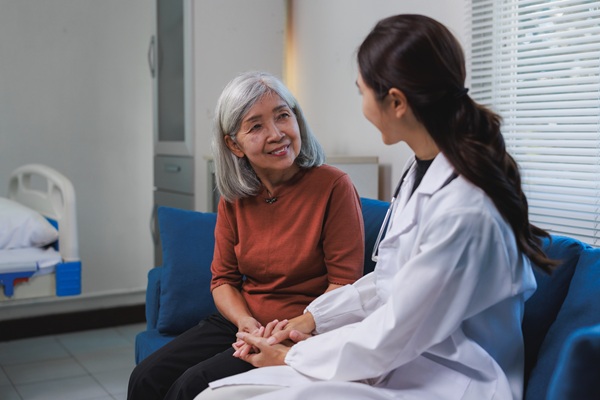
Finishing lung cancer treatment marks a massive milestone. However, the transition into remission can raise unique physical and emotional questions. While the number of hospital visits may decrease, our team will focus on helping you reclaim your health, rebuild stamina, and find a new sense of normal. This phase is not only about consistently monitoring your health. It is about learning to thrive in the new version of your body so that you can move forward with clarity and strength.
Improving physical stamina
The initial months following the conclusion of medical intervention involve managing lingering fatigue and changes in respiratory function. It is common for individuals to feel a temporary loss of strength. Fortunately, the human body possesses a remarkable ability to adapt when given the right tools.
For example, engaging in a pulmonary rehabilitation program is one of the most effective ways to improve lung efficiency. Depending on the patient's needs, these programs typically run 6 to 12 weeks, with 2-3 weekly sessions, and offer substantial improvements in functional lung health. These programs use guided exercises and breathing techniques to help the cardiovascular system work more effectively.
As patients continue to recover, they should also work to improve their physical health through regular exercise. Remember: movement does not have to be intense to be effective. Low-impact activities, such as walking or swimming, provide cardiovascular benefits without overtaxing the body. Consistent, gentle activity helps to clear the mind and reduce the inflammation that lingers after intensive lung cancer treatment therapies. As a result, this gradual approach encourages a steady return to daily activities while minimizing the risk of exhaustion.
Fueling the body for long-term healing
Nutrition serves as the foundation for cellular repair and immune support during the recovery process. The body that has undergone surgery and cancer treatment requires specific nutrients to rebuild tissue and stay energized. Eating whole, unprocessed foods helps to stabilize blood sugar levels and provides the antioxidants needed to combat oxidative stress. Additionally, eating smaller, nutrient-dense meals tends to be easier on the digestive system during this transitional period from active treatment to recovery.
To support their long-term recovery process, patients should consider incorporating the following foods into their diets:
- Leafy greens (spinach and kale)
- Lean protein (poultry, fish, or beans)
- Whole grains (brown rice or farro)
- Healthy fats (olive oil or avocados)
- Berries and citrus fruits
- Drinking enough water
Prioritizing the above food groups can help the body regain its natural balance and provide the fuel needed for physical recovery after lung cancer treatment. Consistent nutrition can also lead to a noticeable improvement in daily mood and energy.
Keeping up with regular medical check-ups
Even as people continue to feel stronger, it is important to maintain a relationship with the oncology team. Regular follow-up appointments and imaging are the most effective ways to ensure that they can catch and manage any changes in the patient's health. These visits are also an ideal time for patients to discuss any late-term side effects, such as nerve damage or lingering cough, that may require professional medical attention.
Managing emotional changes
For many patients, the end of active lung cancer treatment can bring a surprising emotional letdown. While there is a sense of relief, there is also the challenge of processing their cancer diagnosis and the worry surrounding future scans. It is important to recognize that mental health is a crucial part of their short-term and long-term recovery journey. Seeking support through counseling or survivor networks provides a safe space to discuss these feelings without judgment.
Additionally, it is important to establish a routine that includes stress-reduction techniques to help ease worry. A combination of social connection and quiet reflection can help individuals navigate the complexities of life after lung cancer treatment. Consider the following strategies to support emotional well-being:
- Mindfulness meditation
- Peer support groups
- Professional counseling
- Gentle yoga
- Low-impact exercise
- Creative outlets and hobbies
- Journaling
Making time for mental and emotional health is just as important as going to physical check-ups. When patients add these practices to their weekly routine, it helps ensure they take care of themselves, which can contribute to their long-term health.
Focus on long-term health and wellness
In addition to cancer-related monitoring, patients should focus on their general health and wellness goals. This includes staying up to date on seasonal vaccinations and monitoring their cardiovascular health. Keeping a detailed health log can also help individuals provide accurate information to their healthcare providers. Nevertheless, this proactive approach ensures that the focus remains on the patient's long-term health rather than their initial recovery after finishing treatment.
Thrive in your post-treatment life
Life after lung cancer treatment is a journey of rediscovery that needs patience, support, and a commitment to self-care. While the path may present challenges, there are also opportunities to build a lifestyle that prioritizes your long-term health. You do not have to navigate this chapter alone. If you feel ready to discuss a personalized post-lung cancer treatment plan or need more information on recovery resources, we are here to help. Contact our Marlton office today to request an appointment.
Request an appointment here: https://lindenbergcancer.com or call Lindenberg Cancer & Hematology Center at (856) 475-0876 for an appointment in our Marlton office.
Check out what others are saying about our services on Yelp: Read our Yelp reviews.
Recent Posts
Being referred to a hematologist may feel like a cause for concern, particularly when it follows an unexpected blood test result. However, a referral does not automatically mean cancer or another life-threatening condition. It simply means that your primary care doctor wants a specialist to take a closer look at the blood, bone marrow, and…
While ovarian cancer and cysts develop in the same organ and share similar symptoms, they are not the same condition. Many individuals worry about the worst-case scenario when they feel this sort of discomfort, but knowledge is the first step toward peace of mind. Learning how to spot the key differences can help you make…
Blood clot disorders often require careful medical treatment, and daily diet can influence how well a care plan supports safe circulation. Food choices do not replace medication, monitoring, or guidance from an oncology and hematology team, but they can affect inflammation, weight, hydration, and medication consistency. Here is a breakdown of how a thoughtful diet…
After a cancer diagnosis, it is important to find the right care for your needs. Searching for chemotherapy near me helps patients and their families learn how treatment works and why oncologists choose certain medications. The following guide explores the different types of chemotherapy and what to expect during treatment. Chemotherapy is a medical treatment that…