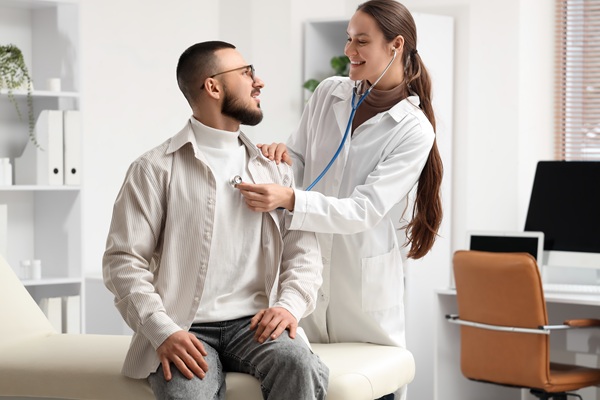
Working with an oncologist near me allows patients to build a strong medical foundation close to home, keeping cancer treatments accessible and manageable. After a cancer diagnosis, many people's first instinct is to look for answers in distant cities or large research institutions. While these facilities provide valuable resources, the day-to-day realities of cancer care require frequent visits. Choosing a local oncologist simplifies this care so that you or your loved one can focus on healing rather than the stress of travel.
What does an oncologist do?
A local oncologist strives to provide a high level of care to each patient, with the goal of supporting them at every stage of cancer care. This includes helping patients understand exactly what to expect from their first visit through the end of their treatment. For example, the oncology team will take care of the following:
- Conducting a thorough review of pathology and imaging results to confirm the diagnosis
- Designing a personalized treatment plan that includes chemotherapy, immunotherapy, or targeted therapy
- Ordering additional testing to identify the specific markers of the cancer
- Coordinating with local surgeons and radiation specialists to create a multi-layered defense
- Monitoring the patient through regular blood work and physical exams to track progress
The oncologist can provide a survivorship plan, as well. This plan helps the patient transition back to regular medical care after cancer treatment. By following a clear roadmap, the oncologist and the patient can work together toward measurable goals in a familiar and supportive setting.
The practical benefits of seeing an oncologist near me
Cancer treatment is never done all in a single appointment. Typically, it involves a series of infusions, radiation sessions, and follow-up blood tests that can span several months. When a patient chooses an oncologist near me, they significantly reduce the physical toll that travel takes on the body. For instance, chemotherapy and other advanced treatments frequently cause fatigue or nausea. A short drive home after a long session is much more manageable than a multi-hour trip or a hotel stay.
Remaining close to home also means that the patient stays within their existing support network. Family members and friends can provide rides to the oncologist's office, deliver meals, and offer emotional support without having to work around long-distance logistics. This community-based approach helps maintain a sense of normalcy during a time that feels anything but normal. Other benefits include:
Faster response to side effects
One of the most critical aspects of cancer care is the management of side effects. Medications may cause sudden shifts in health that require immediate attention. Having an oncologist near me makes it easier to reach the office quickly if a fever develops or if pain levels change. As in any other area of medical care, the speed of care in oncology can prevent a minor side effect from becoming a major complication.
Convenient coordination with your local medical team
Cancer care does not happen in a vacuum. Most patients need to regularly see their primary care doctor and other medical specialists during their treatment. An oncologist near me likely already knows these local providers. This existing professional network allows for more comprehensive, coordinated care. The oncologist can easily share records and discuss the patient's progress with these other local providers.
Local oncologists also have direct relationships with nearby hospitals and emergency rooms. If a patient needs urgent admission, the oncologist can coordinate easily with the hospital team. This level of coordination provides a safety net that is difficult to maintain when the oncologist is miles away or in a different state.
Access to advanced technology in a local setting
A common misconception is that the best care is only available at university hospitals in big cities. However, most oncology clinics provide access to the same FDA-approved treatments and evidence-based protocols. In other words, a local oncologist provides the same gold-standard of care while offering greater convenience and personal attention.
Many local practices participate in clinical trials, as well. This gives patients access to the latest research and emerging therapies without needing to travel far. The oncologist evaluates whether a patient qualifies for these trials and manages the process locally. As a result, the patient can receive the most modern treatment available while remaining in the comfort of their own community.
Looking for an oncologist near me?
A local oncologist can make cancer care more convenient. If you or a loved one has been diagnosed, let us support you during this difficult time. Contact Lindenberg Cancer & Hematology Center for quality cancer care in Marlton.
Request an appointment here: https://lindenbergcancer.com or call Lindenberg Cancer & Hematology Center at (856) 475-0876 for an appointment in our Marlton office.
Check out what others are saying about our services on Yelp: Read our Yelp reviews.
Recent Posts
Being referred to a hematologist may feel like a cause for concern, particularly when it follows an unexpected blood test result. However, a referral does not automatically mean cancer or another life-threatening condition. It simply means that your primary care doctor wants a specialist to take a closer look at the blood, bone marrow, and…
While ovarian cancer and cysts develop in the same organ and share similar symptoms, they are not the same condition. Many individuals worry about the worst-case scenario when they feel this sort of discomfort, but knowledge is the first step toward peace of mind. Learning how to spot the key differences can help you make…
Blood clot disorders often require careful medical treatment, and daily diet can influence how well a care plan supports safe circulation. Food choices do not replace medication, monitoring, or guidance from an oncology and hematology team, but they can affect inflammation, weight, hydration, and medication consistency. Here is a breakdown of how a thoughtful diet…
After a cancer diagnosis, it is important to find the right care for your needs. Searching for chemotherapy near me helps patients and their families learn how treatment works and why oncologists choose certain medications. The following guide explores the different types of chemotherapy and what to expect during treatment. Chemotherapy is a medical treatment that…