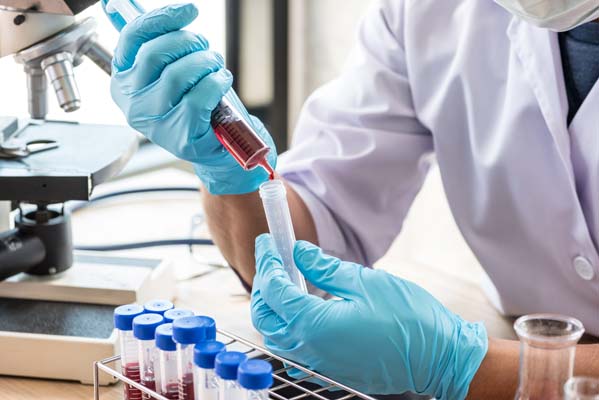
A hematologist is a medical professional who focuses on the research, diagnosis, treatment, and prevention of blood and lymphatic system diseases, including many cancer types. When a primary care physician refers their patients to a hematologist, it could be because of the potential risk for a disorder related to the red or white blood cells, blood vessels, platelets, lymph nodes, bone marrow, or spleen.
Why visit a hematologist?
The following are blood-related disorders that could prompt a visit to a hematologist:
Leukemia
Leukemia is a blood or bone marrow cancer that occurs when white blood cells multiply abnormally. The condition, which affects both adults and children, can be acute (spreading fast) or chronic (slow progress). The American Society of Hematology classifies leukemia as lymphocytic or myelogenous, based on whether the disease manifests as aberrant cell proliferation or development in the bone marrow. Leukemia is typically divided into four types: acute myelogenous (AML), acute lymphocytic (ALL), chronic myelogenous leukemia (CML), and chronic lymphocytic leukemia (CLL).
Hematologists use a complete blood count (CBC) to diagnose leukemia because it shows the presence of leukemia cells. Another sign of leukemia is unusually high or low numbers of white blood cells or red blood cells.
Lymphoma
A hematologist treats lymphoma, a type of cancer. Lymphocytes are part of the body's immune system and are responsible for fighting off infection. This condition affects the lymphatic system. This system includes lymph nodes in the neck, groin, chest, armpit, and belly. The proliferation of lymphocytes leads to the development of lymphoma cells, which then invade and disseminate throughout the lymphatic system. Lymphomas are classified as either Hodgkin's lymphoma or non-Hodgkin lymphomas.
According to the American Cancer Society, most non-Hodgkin lymphomas are B-cell lymphomas, and either develop swiftly or slowly. B-cell non-Hodgkin lymphomas are many. The others are T-cell lymphomas, named after a separate malignant white blood cell, or lymphocyte.
Diagnosing lymphoma requires blood tests, bone marrow biopsies, and imaging testing (such as a CT or PET scan). Imaging scans are particularly useful in determining if cancer has progressed to other organs, such as the lungs or spleen.
Anemia
Anemia is a deficiency of healthy red blood cells, which prevents the body from getting enough oxygen. A common symptom of anemia is a feeling of excessive fatigue or exhaustion. Hematologists will use the CBC to test the amounts of hemoglobin (an oxygen-carrying protein) and hematocrit (the percentage of red blood cells in the blood) to diagnose anemia.
Blood cell counts are also taken into account and the number of platelets in your blood. If the CBC test suggests anemia, the hematologist will recommend more tests to determine the severity and best treatment plan. These tests include reticulocyte count, peripheral smear, and serum iron.
Sickle cell disease
Sickle cell disease is a hereditary condition. In this condition, red blood cells create an abnormal quantity of hemoglobin, which is called hemoglobin S. (HbS). In contrast to healthy red blood cells, sickle cells are crescent-shaped instead of a doughnut shape. Also, sickle cells clump together and get trapped in blood vessels, resulting in excruciating pain. Doctors use a blood test to search for aberrant hemoglobin responsible for sickle cell anemia to diagnose the disorder.
Deep vein thrombosis
Deep vein thrombosis (DVT) is the term for the formation of a blood clot or thrombus in the body's deep veins, typically in the legs. Patients may experience leg discomfort and swelling, while others may suffer no symptoms. The development of DVT may be attributed to some medical disorders or by prolonged sedentary periods, such as after an accident or surgery. DVT may be life-threatening or deadly if the blood clots dislodge, move through the bloodstream, and end up in the lungs. This blockage is what causes pulmonary embolism.
As a result, the role of a hematologist in the diagnosis of DVT is critical. It is common to perform a D-dimer blood test to identify these clots. People with severe DVT have elevated D-dimer levels, a protein formed by blood clots.
Sepsis
Sepsis is a life-threatening condition that develops when the body's immune system attacks an infection, causing tissue damage and impairing normal function. Sepsis is most common in those with a particularly high risk of infection. Sepsis detection requires tests like CBC, blood culture, platelet count, D-dimer, prothrombin time, and partial thromboplastin time (PT and PTT).
Final note
A hematologist plays an important role in the medical system since they are well-versed in treating all types of blood disorders, including life-threatening ones.
Get more information here: https://lindenbergcancer.com or call Lindenberg Cancer & Hematology Center at (856) 475-0876
Check out what others are saying about our services on Yelp: Read our Yelp reviews.
Recent Posts
Being referred to a hematologist may feel like a cause for concern, particularly when it follows an unexpected blood test result. However, a referral does not automatically mean cancer or another life-threatening condition. It simply means that your primary care doctor wants a specialist to take a closer look at the blood, bone marrow, and…
While ovarian cancer and cysts develop in the same organ and share similar symptoms, they are not the same condition. Many individuals worry about the worst-case scenario when they feel this sort of discomfort, but knowledge is the first step toward peace of mind. Learning how to spot the key differences can help you make…
Blood clot disorders often require careful medical treatment, and daily diet can influence how well a care plan supports safe circulation. Food choices do not replace medication, monitoring, or guidance from an oncology and hematology team, but they can affect inflammation, weight, hydration, and medication consistency. Here is a breakdown of how a thoughtful diet…
After a cancer diagnosis, it is important to find the right care for your needs. Searching for chemotherapy near me helps patients and their families learn how treatment works and why oncologists choose certain medications. The following guide explores the different types of chemotherapy and what to expect during treatment. Chemotherapy is a medical treatment that…