Understanding Gastrointestinal Cancer Treatment: What You Need to Know
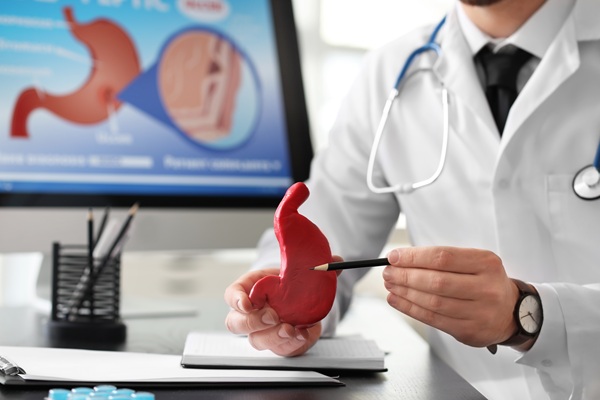
Gastrointestinal cancer treatment is a broad and evolving field focusing on cancers affecting the digestive tract, including the esophagus, stomach, pancreas, liver, small intestine, colon, and rectum. Each area may involve different approaches based on the cancer's stage, location, and specific genetic factors. Oncologists often coordinate with surgeons, radiologists, and other specialists to create a treatment plan reflecting the individual's overall health and needs. Let us take a closer look at gastrointestinal cancer treatment from an oncologist.
Understanding gastrointestinal cancers
Gastrointestinal cancers develop in organs responsible for digestion, absorption of nutrients, and elimination of waste. Although each type of gastrointestinal cancer has unique characteristics, many share common risk factors. These may include long-term inflammation, genetic predispositions, and lifestyle elements such as diet and tobacco use. Physicians frequently emphasize regular screenings and early detection because identifying symptoms or abnormalities at earlier stages can increase the likelihood of successful treatment.
When an oncologist confirms a diagnosis, they typically perform further testing to determine the cancer's stage and extent. Staging helps clarify whether the cancer is localized, regionally advanced, or metastatic. This information serves as the foundation for designing a targeted treatment plan.
Common gastrointestinal cancer treatments
Gastrointestinal cancer treatments depend on the location and stage of the disease. The oncologist will consider one or more of the following as part of a care plan:
Surgery
Surgery is mostly reserved for tumors that remain confined to a specific area. Depending on the tumor's size and location, the oncologist may remove part or all of an affected organ. For example, a partial gastrectomy removes only a portion of the stomach, while a total gastrectomy removes the entire organ. In cases involving the colon or rectum, the oncologist may perform a colectomy or proctectomy. It is good to note that the oncologist may first introduce a minimally invasive gastrointestinal cancer treatment like chemotherapy or radiation therapy to shrink the tumor before performing surgery.
Chemotherapy
Chemotherapy targets rapidly dividing cancer cells through specialized drugs administered intravenously (IV) or orally. These drugs circulate throughout the body, which makes chemotherapy valuable for addressing micrometastases— tiny cancer cells that spread beyond the original site. In gastrointestinal cancer treatment, chemotherapy may appear in a few contexts:
- Neoadjuvant therapy. Used before surgery to shrink the tumor
- Adjuvant therapy. Applied after surgery to reduce the likelihood of recurrence
- Palliative therapy. Provided to relieve symptoms or slow progression in advanced stages
Oncologists select specific chemotherapy drugs based on tumor type and patient factors, often using combinations that maximize effectiveness while managing potential side effects.
Radiation therapy
Radiation therapy employs high-energy beams to damage cancer cell DNA, inhibiting the ability to multiply. In some gastrointestinal cancers, radiation combined with chemotherapy can help to achieve greater tumor reduction before surgery. This dual approach may improve surgical outcomes or control local spread. Radiation therapy is frequently delivered externally, but in some cases, brachytherapy is allowed, which involves placing a radiation source directly near the tumor site. Careful targeting of radiation helps protect healthy tissues while addressing malignant cells.
Targeted therapies and immunotherapies
Targeted therapies focus on specific molecular markers found in cancer cells. According to the National Cancer Institute, unlocking these markers can disrupt the growth and spread of the tumor without extensively harming normal cells. Examples include monoclonal antibodies that interfere with proteins like epidermal growth receptor (EGFR) or vascular endothelial growth factor (VEGF).
Conversely, immunotherapies harness the body's immune system to recognize and attack cancer cells. Agents like checkpoint inhibitors may improve survival outcomes in certain advanced gastrointestinal cancers. Oncologists often evaluate molecular profiling to determine if a patient's tumor is susceptible to targeted or immune-based interventions.
Supportive and palliative care
Supportive care is essential to gastrointestinal cancer treatment that addresses symptoms and side effects, ensuring optimal patient well-being throughout therapy. Nutrition counseling, pain management, and psychological support all contribute to a more tolerable treatment experience. In advanced stages, palliative care teams focus on improving the quality of life through symptom relief and emotional support for patients and their families.
Lifestyle modifications
It is important to note that patients are integral to ensuring they create an environment for gastrointestinal cancer treatment to thrive, primarily through lifestyle modifications and open communication. Oncologists often suggest dietary adjustments or physical activity tailored to the patient's capacity, as these interventions may enhance energy levels and promote overall health. Further, maintaining appointments and being open about the severity of side effects, management strategies, and physical and mental wellness concerns is crucial to ensuring the plan remains effective.
Schedule a consultation
Gastrointestinal cancer treatment can include one or more interventions. No matter how long it takes or how many treatments are involved, the oncologist's primary aim is to get you into remission. If you have questions about this disease or its treatments, contact Lindenberg Cancer & Hematology Center and schedule a consultation.
Request an appointment here: https://lindenbergcancer.com or call Lindenberg Cancer & Hematology Center at (856) 475-0876 for an appointment in our Marlton office.
Check out what others are saying about our services on Yelp: Gastrointestinal Cancer Treatment in Marlton, NJ.
Recent Posts
Being referred to a hematologist may feel like a cause for concern, particularly when it follows an unexpected blood test result. However, a referral does not automatically mean cancer or another life-threatening condition. It simply means that your primary care doctor wants a specialist to take a closer look at the blood, bone marrow, and…
While ovarian cancer and cysts develop in the same organ and share similar symptoms, they are not the same condition. Many individuals worry about the worst-case scenario when they feel this sort of discomfort, but knowledge is the first step toward peace of mind. Learning how to spot the key differences can help you make…
Blood clot disorders often require careful medical treatment, and daily diet can influence how well a care plan supports safe circulation. Food choices do not replace medication, monitoring, or guidance from an oncology and hematology team, but they can affect inflammation, weight, hydration, and medication consistency. Here is a breakdown of how a thoughtful diet…
After a cancer diagnosis, it is important to find the right care for your needs. Searching for chemotherapy near me helps patients and their families learn how treatment works and why oncologists choose certain medications. The following guide explores the different types of chemotherapy and what to expect during treatment. Chemotherapy is a medical treatment that…