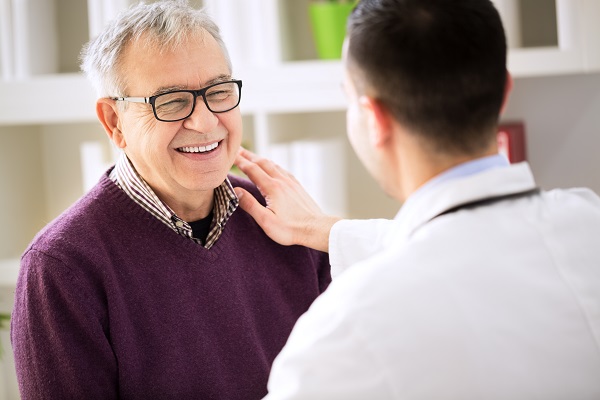
The first oncology appointment is a chance for the patient and the oncologist to get to know each other. Understanding what to expect can help patients who are nervous or anxious to feel better before the visit and ensure they are able to come fully prepared.
The oncology consultation process
Each visit is unique and tailored to the patient’s specific needs, but it typically involves meeting with the oncologist and the rest of the oncology team, documenting previous medical history, a physical examination and a discussion about the treatment plan. The following is an overview of each step that is likely involved during the first visit.
Meeting the oncology team
Oftentimes, the first thing that will occur during an oncology appointment is to meet with the oncologist and the rest of the staff. Depending on the stage of the process (diagnosis, treatment, etc.), the oncologist may collect medical information and discuss the symptoms the patient is experiencing. This is also a good opportunity for patients to ask the oncologist questions about concerns they may have or about what lies ahead during the treatment process.
The physical examination
The next step is testing. The oncologist may start by conducting a physical examination to check for tumors and secondary symptoms of cancer. They may also order various blood tests, order imaging tests and schedule a time for a biopsy if necessary. If the patient is there due to symptoms and has not been diagnosed with cancer, then the goal of the visit is to determine if the patient has cancer and what stage of cancer the patient is in if it does exist. This information allows the patient and the oncologist to find the best treatment plan possible.
Determining a treatment plan
Based on the pathology reports, an oncologist will determine the best course of action either on the first visit or soon after. This allows the patient to mentally prepare early in the process and get ahead of the game in fighting the cancer. Oncologists rarely treat patients by themselves, and they may refer the patient to other types of oncologists and health professionals if there are areas where the patient will need additional assistance during the treatment process.
Ask questions and building trust
The initial oncology appointment is also designed to help the patient learn. The oncologist will welcome any and all questions the patient has about cancer, their symptoms, the diagnosis and the treatment plan. Asking questions helps the patient feel more comfortable, and having a back and forth conversation allows the patient to develop a trusting relationship with the oncologist. This trust can help the patient remain confident during treatment.
Schedule an oncology appointment today
To learn more about what to expect at a first oncology appointment, or if there are any other outstanding questions then we encourage individuals to reach out today. A consultation can be done to determine needs, which can dictate how the oncology treatment process goes.
Get more information here: https://lindenbergcancer.com or call Lindenberg Cancer & Hematology Center at (856) 475-0876
Check out what others are saying about our services on Yelp: Oncology in Marlton, NJ.
Recent Posts
Being referred to a hematologist may feel like a cause for concern, particularly when it follows an unexpected blood test result. However, a referral does not automatically mean cancer or another life-threatening condition. It simply means that your primary care doctor wants a specialist to take a closer look at the blood, bone marrow, and…
While ovarian cancer and cysts develop in the same organ and share similar symptoms, they are not the same condition. Many individuals worry about the worst-case scenario when they feel this sort of discomfort, but knowledge is the first step toward peace of mind. Learning how to spot the key differences can help you make…
Blood clot disorders often require careful medical treatment, and daily diet can influence how well a care plan supports safe circulation. Food choices do not replace medication, monitoring, or guidance from an oncology and hematology team, but they can affect inflammation, weight, hydration, and medication consistency. Here is a breakdown of how a thoughtful diet…
After a cancer diagnosis, it is important to find the right care for your needs. Searching for chemotherapy near me helps patients and their families learn how treatment works and why oncologists choose certain medications. The following guide explores the different types of chemotherapy and what to expect during treatment. Chemotherapy is a medical treatment that…