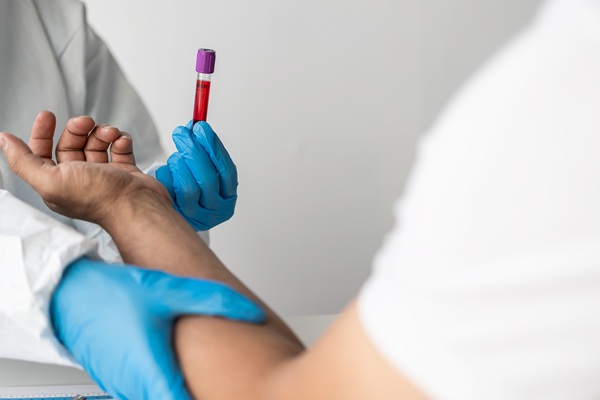
Finding a hematologist near me is an important step when facing symptoms that may indicate a blood disorder or a more serious underlying condition. While not every unusual symptom warrants a referral, recognizing certain signs early can lead to more effective treatment and improved outcomes. Knowing when a hematologist’s expertise is necessary can help patients and their medical teams make timely, informed decisions.
Understanding the role of a hematologist
A hematologist specializes in diagnosing and treating conditions that affect the blood, bone marrow, and immune system. This includes a wide range of issues, such as anemia, clotting disorders, low or high platelet counts, and blood cancers like leukemia or lymphoma. In many cases, a primary care provider may refer a patient to a hematologist after abnormal blood work or unexplained symptoms arise.
Hematologists work closely with oncologists, especially when cancer is involved. Some specialists are trained in both fields and can thus practice as hematologist-oncologists. A hematologist near me can provide advanced testing, in-depth evaluation, and personalized treatment plans to help manage both common and complex conditions.
Collaborative care and ongoing monitoring
A hematologist-oncologist not only diagnoses and treats conditions but also provides long-term monitoring and support. Some blood disorders are lifelong or require maintenance therapies, while others demand periodic reassessment to ensure continued stability. A hematologist near me offers expertise that complements other medical care, optimizing quality of life and reducing health risks over time.
Signs it is time to see a hematologist near me
Typically, patients are referred to a hematologist by their primary care doctor, but certain symptoms may appear between regular checkups that should not be ignored. In these cases, searching for a hematologist near me can be a proactive step toward getting the answers and care needed. Key signs to watch for include:
Persistent fatigue and weakness
Ongoing fatigue that does not improve with rest may be a sign of an underlying blood disorder, such as anemia. While fatigue is a common complaint for many conditions, it becomes concerning when it interferes with daily life over an extended period. Anemia, a condition marked by low red blood cell counts or hemoglobin, can significantly reduce the amount of oxygen delivered throughout the body, leading to weakness, shortness of breath, and reduced stamina. Consulting a hematologist near me can help pinpoint the cause of these symptoms and initiate appropriate treatment, which might include iron therapy, vitamin supplementation, or more advanced interventions depending on the cause.
Unexplained bruising or bleeding
Frequent nosebleeds, bleeding gums, heavy periods, or bruises that seem to appear out of nowhere can all be signs that the blood is not clotting the way it should. A hematologist near me can run specialized tests to check how well the blood is clotting and whether platelet levels are where they should be. From there, they can help decide on the right steps forward. For instance, they may recommend adjusting daily habits, starting medication, or exploring treatments like clotting factor replacement.
Recurrent infections or fever
A weakened immune system caused by a blood-related condition can make the body more vulnerable to frequent or lingering infections. High fevers without a clear cause, especially when paired with symptoms like night sweats, swollen lymph nodes, or unexpected weight changes, may signal that something deeper is affecting immune function. A hematologist near me can use tools like advanced blood tests and bone marrow evaluations to uncover the underlying issue and recommend the right course of treatment.
Swollen lymph nodes or enlarged spleen
Swollen lymph nodes that do not seem to be tied to a cold or infection can be a sign that something more serious is going on with the blood or lymphatic system. The same goes for an enlarged spleen, which might cause discomfort in the abdomen, a feeling of fullness, or even a reduced appetite. A hematologist near me can help get to the root of the issue through imaging, lab work, or a biopsy if needed. Catching these signs early can make a big difference in starting the right treatment at the right time.
Need a hematologist near me?
A hematologist can help find answers when symptoms related to the blood or immune system do not have an obvious cause. Whether it is managing an existing condition or figuring out what is behind unusual fatigue, bleeding, or lab results, getting help early can make a big difference. If you have been looking for a hematologist near me, contact Lindenberg Cancer & Hematology Center to take the first step toward clarity, relief, and the right treatment plan.
Request an appointment here: https://lindenbergcancer.com or call Lindenberg Cancer & Hematology Center at (856) 475-0876 for an appointment in our Marlton office.
Check out what others are saying about our services on Yelp: Hematologist Near Me in Marlton, NJ.
Recent Posts
Being referred to a hematologist may feel like a cause for concern, particularly when it follows an unexpected blood test result. However, a referral does not automatically mean cancer or another life-threatening condition. It simply means that your primary care doctor wants a specialist to take a closer look at the blood, bone marrow, and…
While ovarian cancer and cysts develop in the same organ and share similar symptoms, they are not the same condition. Many individuals worry about the worst-case scenario when they feel this sort of discomfort, but knowledge is the first step toward peace of mind. Learning how to spot the key differences can help you make…
Blood clot disorders often require careful medical treatment, and daily diet can influence how well a care plan supports safe circulation. Food choices do not replace medication, monitoring, or guidance from an oncology and hematology team, but they can affect inflammation, weight, hydration, and medication consistency. Here is a breakdown of how a thoughtful diet…
After a cancer diagnosis, it is important to find the right care for your needs. Searching for chemotherapy near me helps patients and their families learn how treatment works and why oncologists choose certain medications. The following guide explores the different types of chemotherapy and what to expect during treatment. Chemotherapy is a medical treatment that…