
Hematologist
Marlton, NJ
A hematologist is a health professional who focuses on the study of blood and blood disorders, aka hematology. A hematologist will work closely with a team of other healthcare specialists in order to develop the most effective treatment plan for a patient who has a blood disorder. The reason why a hematologist needs to work closely with other healthcare specialists is that hematology medicine is not a generalized medicine.
Thus, every single patient will need their own individualized treatment plan to treat a blood disorder. According to the American Society of Hematology, the study of hematology includes focusing on problems with the red blood cells, white blood cells, platelets, blood vessels, bone marrow, lymph nodes, spleen, and proteins that are involved in bleeding and clotting.
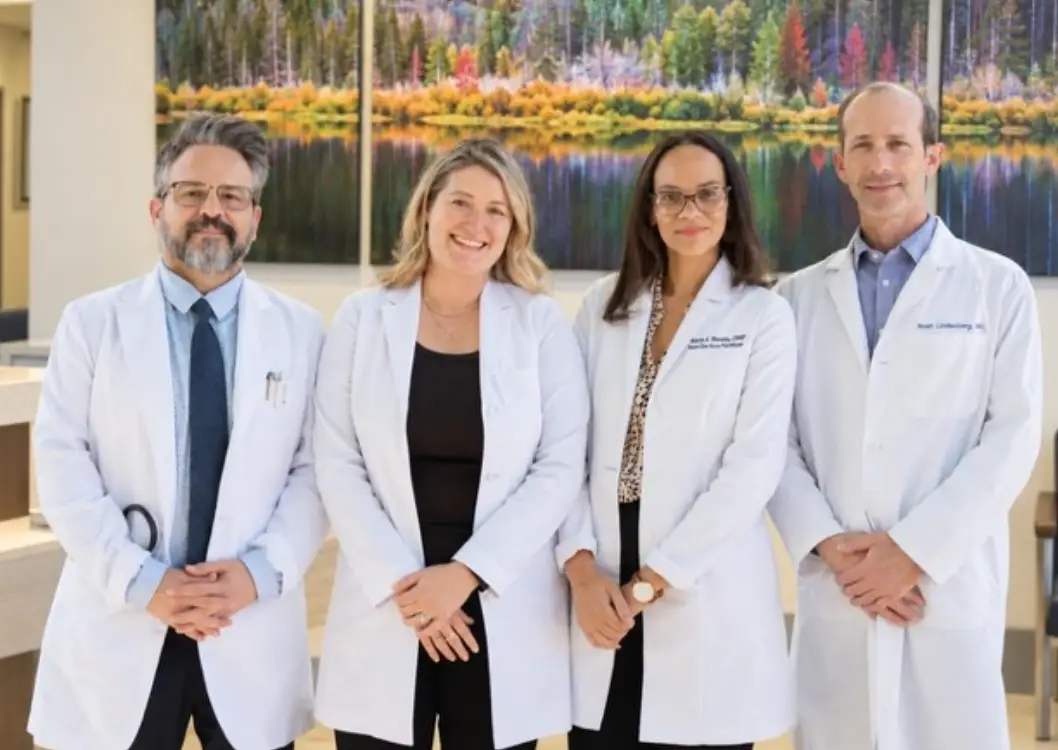
Hematology in Marlton, NJ
A hematologist is often a board-certified internist or a pediatrician (with additional training) who focuses on managing patients living with a hematologic disease. Hematologists understand how important their role is when it comes to the treatment of blood diseases and are always exploring new strategies that can help patients recover from a blood disease diagnosis as quickly as possible.
When someone receives a diagnosis of a blood disorder, a hematologist will provide them with the individualized treatment plan they need to get back on track to good overall health. A hematologist performs a lot of research so they are able to make the best contributions when it comes to treating blood diseases.

Hematologist Role in the Treatment Process
When it comes to treating a blood disorder, the role of a hematologist is crucial. Every patient with a blood disorder is going to require a personalized treatment plan to combat their disease and a hematologist is at the center when it comes to making the best treatment decisions. While a hematologist will diagnosis blood disorders in patients and create the necessary individualized treatment plans, their job is to also give their patients the support they often need during this time.
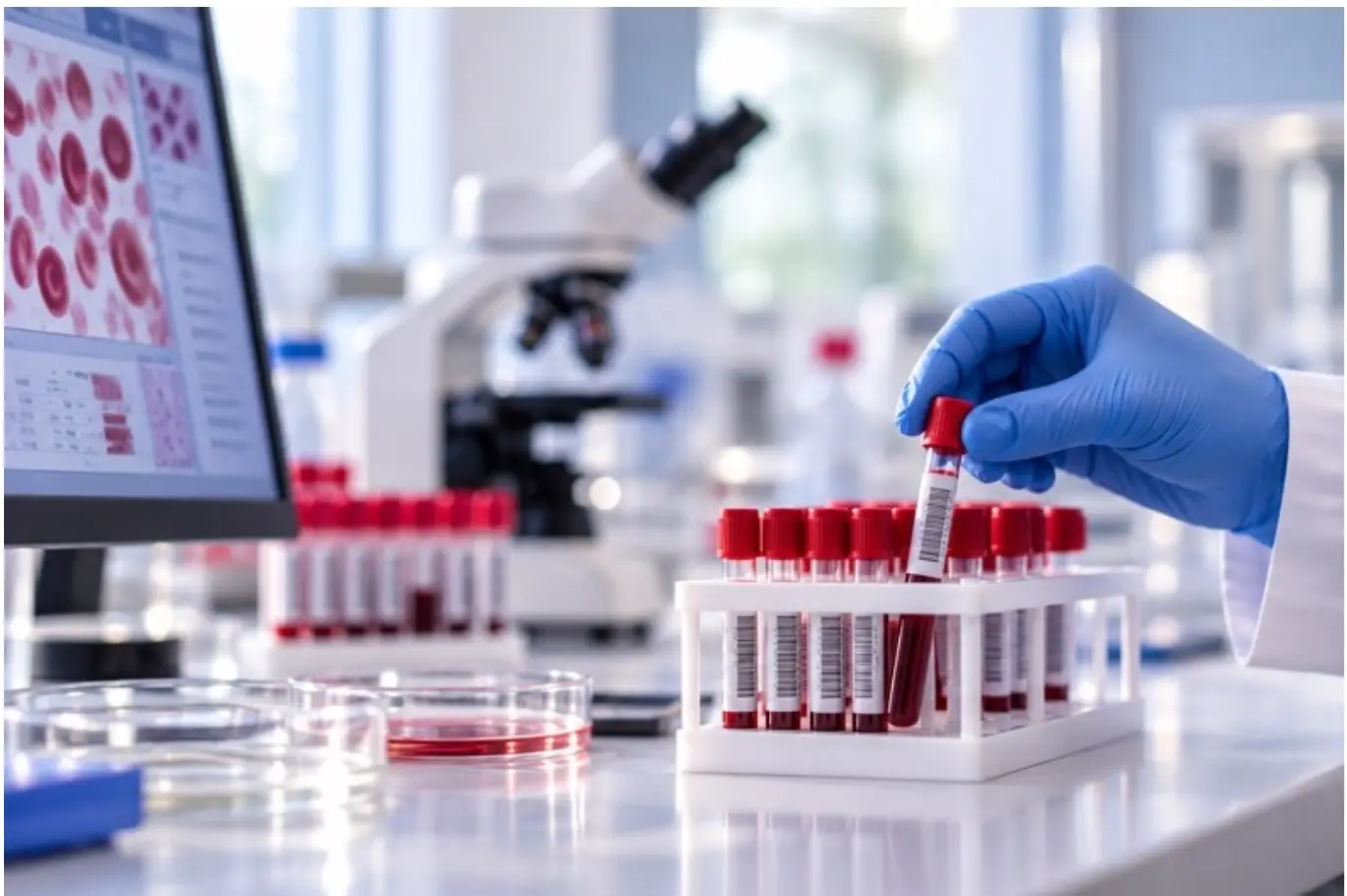
Various Conditions a Hematologist Can Treat
A hematologist can treat a wide variety of blood conditions and blood cancers, including but not limited to:
- Anemia
- Hemophilia
- Leukemia
- Lymphoma
- Myeloma
- Immune disorders
Leukemia is a blood disease that involves cancer in someone’s blood cells. Leukemia begins by forming in the bone marrow that makes the body’s blood cells. When someone receives a diagnosis of leukemia, it means that their bone marrow is creating too many white blood cells at a very fast and abnormal rate.
The result can lead to cancer spreading to the lymph nodes as well as someone experiencing a number of extreme health problems. If the individual does not seek treatment as soon as possible, the patient will experience other health issues including anemia, bleeding and infections. The exact cause of leukemia is currently unknown.
Leukemia treatment is necessary to destroy the abundance of white blood cells so that normal blood cells can begin to grow once again in the bone marrow. Treating leukemia is going to depend on each individual patient and is based on what kind of leukemia they have been diagnosed with, how far along the leukemia is or what stage it is in, how old the patient is and their overall health.
Leukemia treatment options often include chemotherapy, radiation, stem cell transplant, biological therapy and targeted therapy. A leukemia diagnosis can be very difficult for some patients, making treatment from a hematologist incredibly important.
IV fluids may be provided when additional hydration is needed during or alongside treatment.
- Extreme fatigue
- High fever
- Sweating at night
- Unexplained weight loss
- Easy bruising
- Joint pain
- Feeling pain underneath the rib area
The most common treatment for acute myelogenous leukemia is chemotherapy, which may require additional therapy, as well.
Acute lymphocytic leukemia is a form of blood cancer that begins when there are too many white blood cells forming in one’s bone marrow. When acute lymphocytic leukemia gets into the blood, it tends to spread to the other organs, making the quick treatment of this blood cancer disease essential to a patient’s full recovery.
Acute lymphocytic leukemia treatment involves a team of specialists who will help make the best treatment plan for the patient that will best support their full recovery. For more information, call us today and schedule a consultation.
Frequently Asked Questions About Hematology Care
What conditions does a hematologist in Marlton, NJ treat?
A hematologist diagnoses and treats conditions affecting the blood, bone marrow, and lymphatic system. This can include anemia, blood clotting disorders, low or high blood cell counts, iron deficiencies, platelet disorders, leukemia, lymphoma, and other blood-related conditions.
When should I see a hematologist?
Your primary care physician may refer you to a hematologist if bloodwork shows abnormal results or if you experience symptoms such as persistent fatigue, unexplained bruising or bleeding, frequent infections, blood clots, swollen lymph nodes, or ongoing anemia.
What should I expect during my first hematology appointment?
During your first visit, your hematologist will typically review your medical history, symptoms, medications, and previous blood test results. Additional bloodwork, imaging, or diagnostic testing may be recommended to better understand your condition and develop an appropriate treatment plan.
Do hematologists treat both cancerous and non-cancerous blood disorders?
Yes. Hematologists can treat non-cancerous conditions such as anemia, iron deficiency, clotting disorders, and abnormal blood counts. Hematologist-oncologists also specialize in blood cancers such as leukemia, lymphoma, and multiple myeloma.
How do I find a hematologist near Marlton, NJ?
If you are looking for a hematologist in or near Marlton, NJ, Lindenberg Cancer & Hematology Center provides specialized care for a wide range of blood disorders and hematologic conditions. Contact our team to learn more, ask questions, or schedule an appointment through our contact page: https://lindenbergcancer.com/contact-us/

This line is not a substitute for emergency care. In the event of an emergency, please dial 911 or go to the nearest emergency room.
Start Your Journey with a Team You Can Trust
Schedule Your Visit Today
-
773 East Route 70 Suite E-125, Marlton, NJ 08053
Located in the Elmwood Business and Medical Park
Direct Line
Nurse Triage Line
-
Monday to Thursday: 8:00 AM to 4:30 PM
Friday: 8:00 AM to 12:00 PM
Saturday and Sunday: Closed
English, Spanish & Polish Speaking Team
We're here to help you feel heard, understood and supported
Connect With Our Care Team
This line is not a substitute for emergency care. In the event of an emergency, please dial 911 or go to the nearest emergency room.