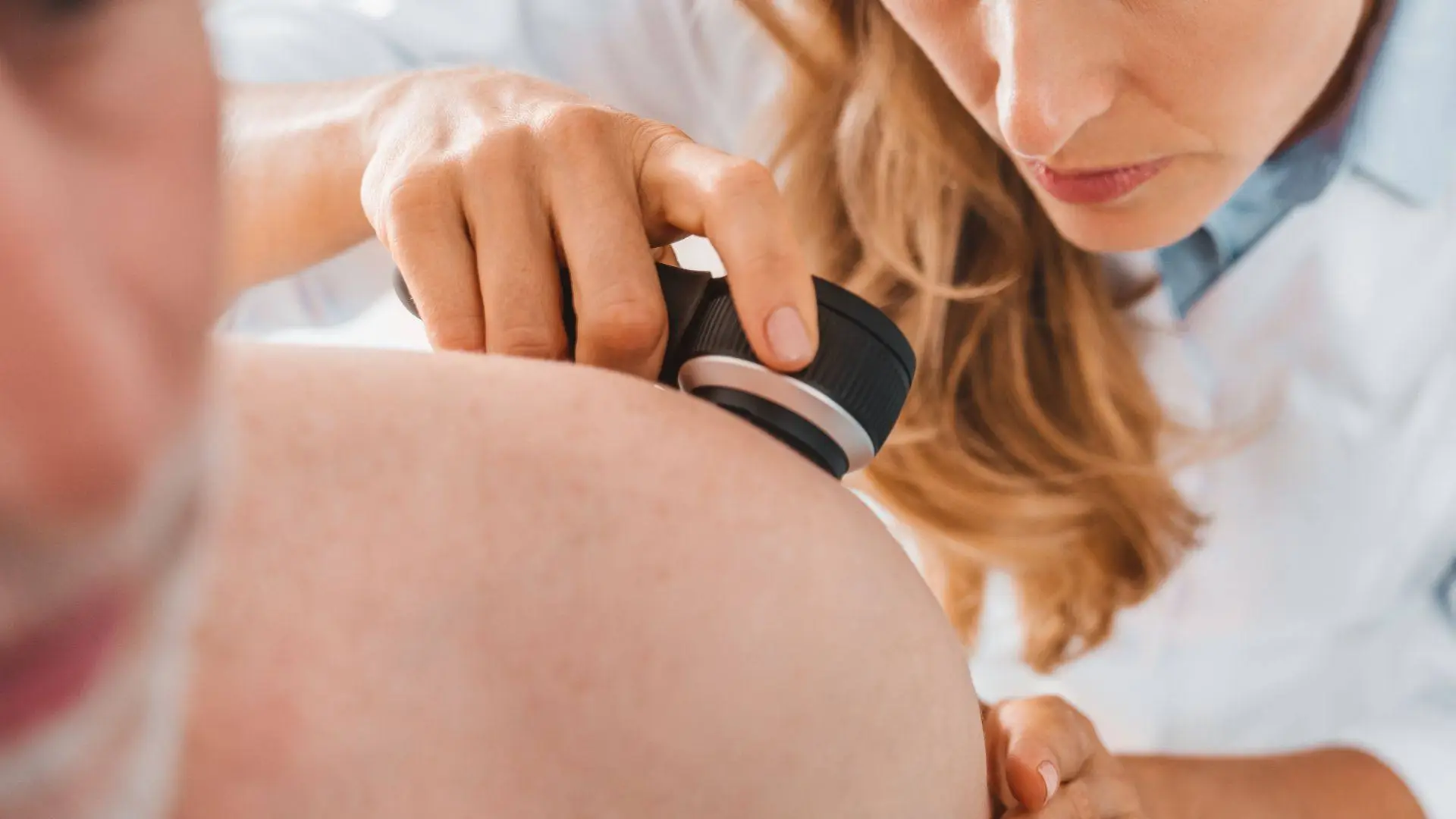
Melanoma is generally diagnosed through a skin exam and biopsy. Treatment for melanoma will likely involve a simple surgery or excision to remove the mole, radiation therapy, Mohs surgery, a wide excision, immune checkpoint inhibitor, or targeted therapy medications. We will continually monitor patients through ultrasound testing for recurrence of melanoma cells or tumors. Immunotherapy, injections, and topical medications are often necessary to prevent melanoma from spreading or recurring.
Skin Cancer Treatment
Marlton, NJ
Skin cancer encompasses many different types of cancers that begin forming in the skin. Treatments for skin cancers vary depending on the type, stage, and severity of the disease. It is important to know and understand the types of skin cancers, how to avoid or prevent them, common signs or symptoms, and the different treatment options available.
At Lindenberg Cancer & Hematology Center, we offer skin cancer diagnoses and treatments. Our team can help assess whether a patient is experiencing a certain disease or their symptoms are linked to another condition. Upon official diagnosis of skin cancer, we will immediately begin treating the patient in order to achieve the most desirable results.
Understanding Skin Cancer and Its Types
Skin cancer is a disease caused by malignant cells that form in the skin’s tissue. According to the National Cancer Institute, skin cancer can occur in any part of the body, but it most often affects parts that constantly face direct sunlight, such as the neck, face, and hands. Although the skin is the largest organ in the body, it can only take so much heat, sunlight, damage, and infection, especially when left untreated for a long period of time.
There are four types of skin cancers: basal cell carcinoma, squamous cell carcinoma, melanoma, and merkel cell carcinoma. Each type of cancer affects different parts of the skin’s upper or lower layer tissue and underlying cells. Causes and symptoms also vary depending on the type of skin cancer a patient has.
Basal Cell Carcinoma (BCC)
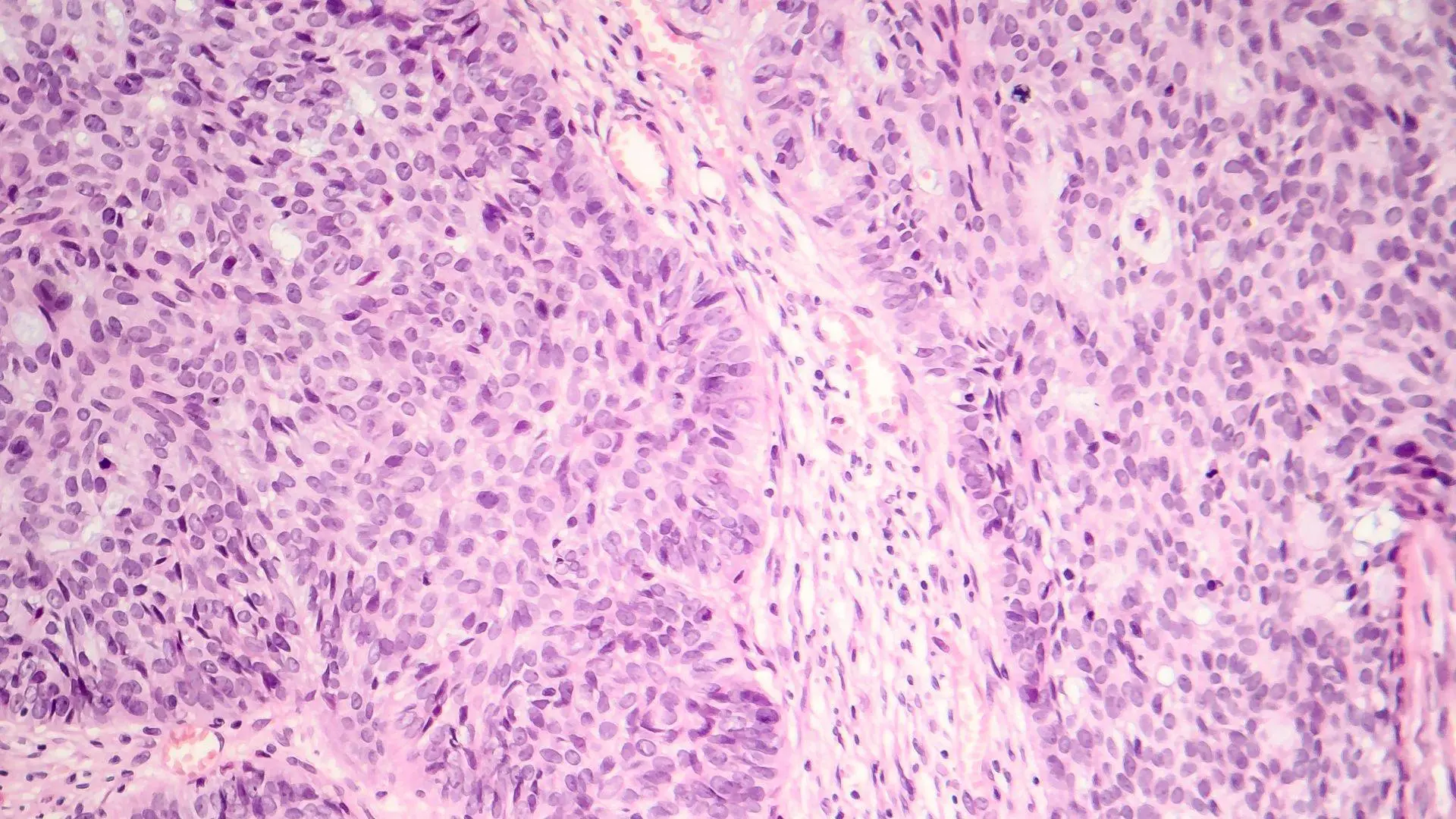
Basal cell carcinoma is the most common type of skin cancer. BCC is abnormal, uncontrolled growths that arise from the skin’s basal cells in the outermost layer of the skin (epidermis). BCC most often result from intense, direct sun exposure and long-term UV radiation. Signs of BCC include open sores that do not heal, a reddish patch, irritation, a shiny bump or nodule, a small pink growth, and an area that is scarred.
When warning signs first appear, or professionals detect BCC, it is important to get a professional skin exam. Treatments for BCC depend on the size and severity of the patient’s condition as well as the number of areas affected. Treatment may include a simple surgical excision, Mohs micrographic surgery, radiation therapy, curettage and electrodesiccation, cryosurgery, photodynamic therapy, topical chemotherapy, topical immunotherapy, or laser surgery. Targeted therapy may be necessary for when the cancer cells have spread to other parts of the body or grown in size.
Squamous Cell Carcinoma (SCC)
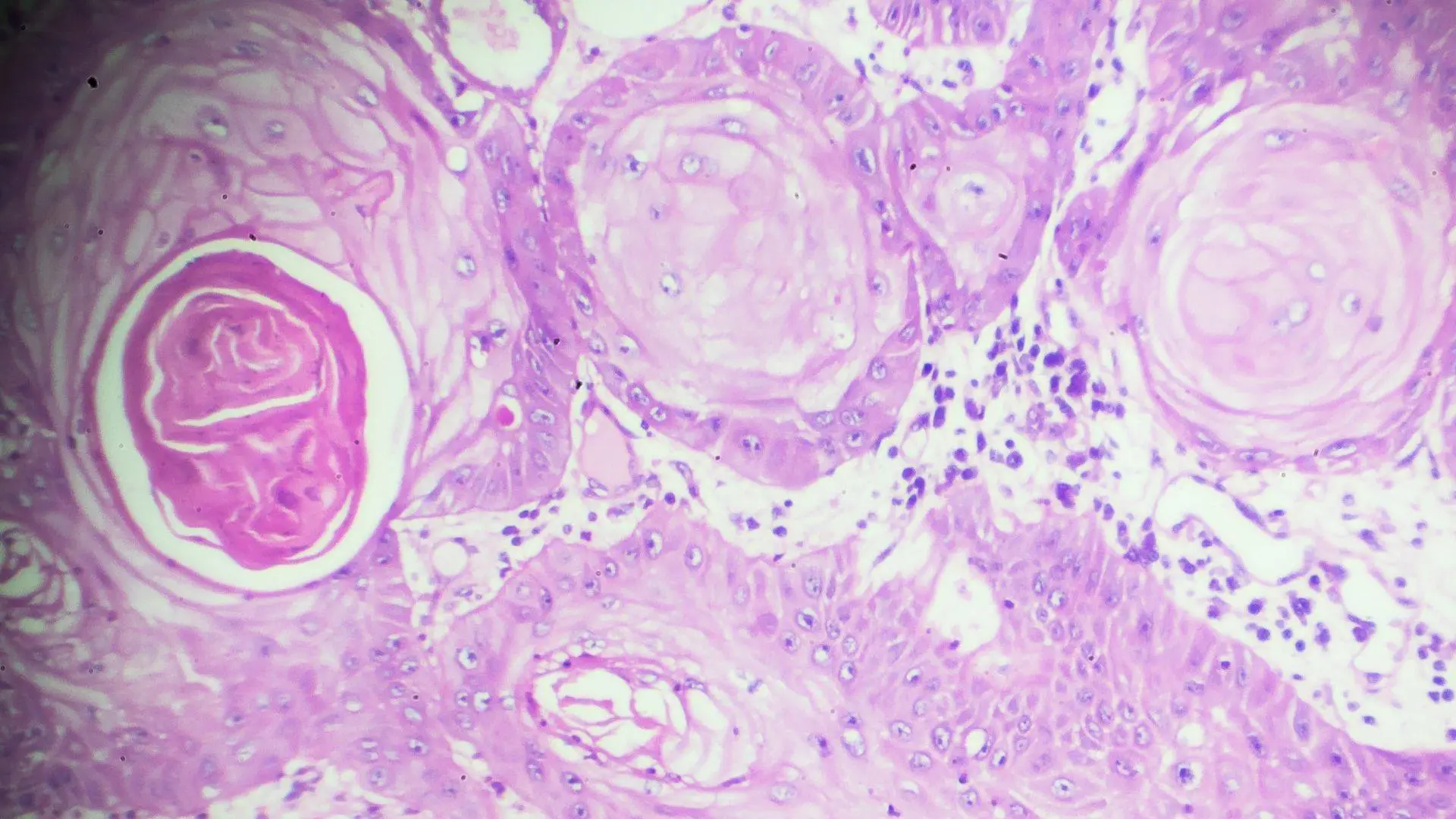
Squamous cells line organs, such as the skin, lungs, throat, and thyroid, and protect underlying tissue from damage. SCC is a type of cancer that causes cancer cells and tumors to grow in squamous cells and can injure nerves, blood vessels, and anything else in its path. SCC is generally found in people with fair skin who are heavily exposed to radiation from the sun and seldom protect themselves with sunscreen. Common signs of SCC include rough, reddish scaly patches, open sores (often with a raised border), brown spots that look like an age spot, firm, dome-shaped growths, wart-like growths, tiny rhinoceros-shaped horns growing from the skin, and sores developing in an old scar.
Treatment for SCC will depend on the type of SCC, the stage of cancer, and whether there are any features that make it aggressive. SCC may be treated through surgical removal, radiation therapy, cryosurgery, a clinical trial, observation, palliative care, or a combination of these. Patients with advanced SCC that has spread to other parts of the body may require surgery along with radiation therapy, chemotherapy, or immunotherapy to help target the cancer cells throughout the body. SCC is rarely fatal and can often be treated.
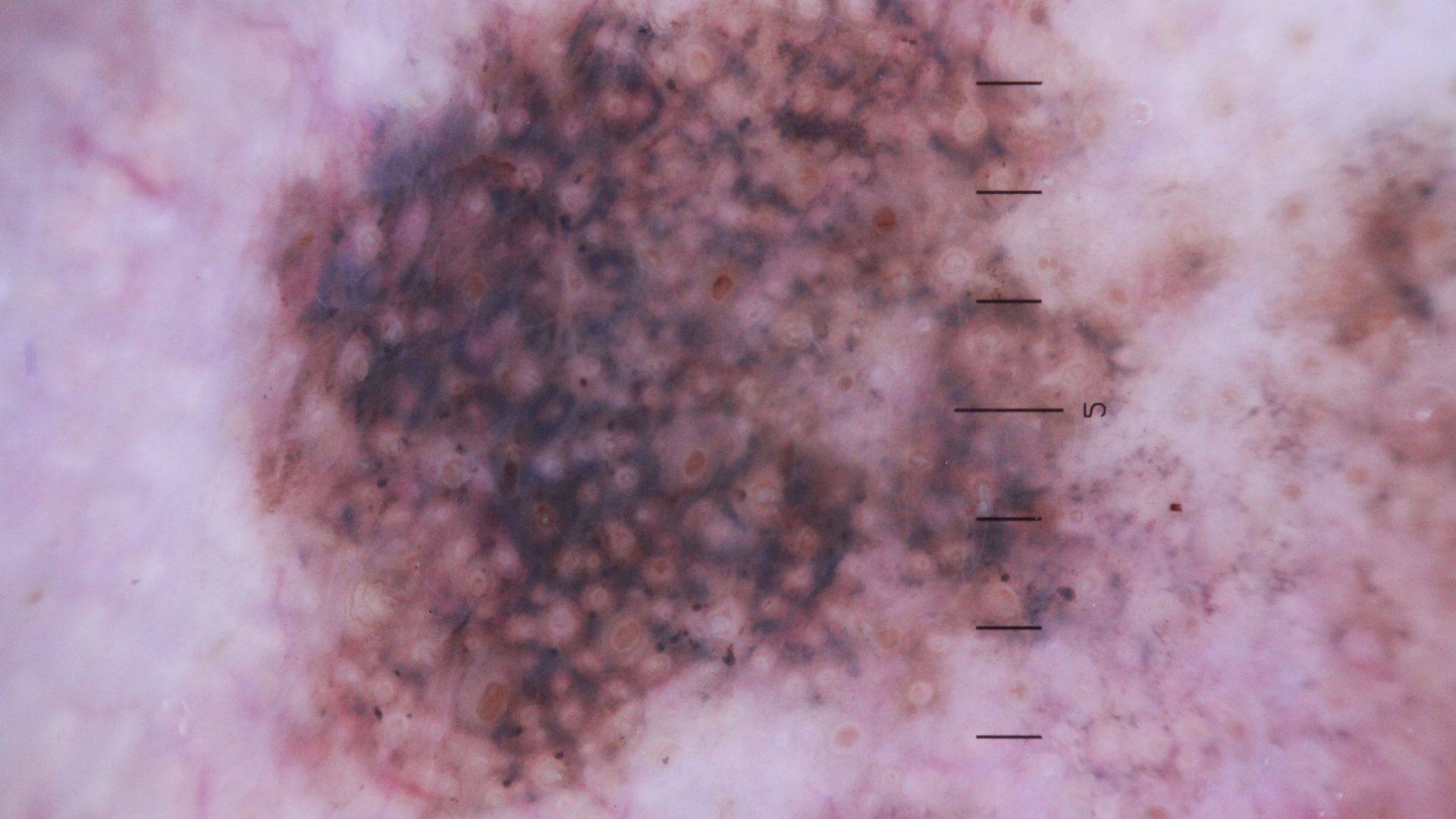
Melanoma
The American Cancer Society defines melanoma as a type of skin cancer that develops when melanocytes, or the cells that give the skin its tan or brown color, start to grow out of control. Skin cancer cells begin in the skin but can spread to other parts of the body. Melanoma often results from mutated or inherited genes that are aggravated by UV exposure. Common signs of melanoma include:
- Newly developed moles larger than 6 millimeters
- A new skin spot that changes in color, size, or shape
- A sore that does not heal
- A spread of pigment from the border of a spot into surrounding skin
- Redness
- New swelling beyond the border of the mole
- Change in sensation (such as itchiness, tenderness, or pain)
- Change in the surface of a mole – scaliness, oozing, bleeding, or the appearance of a lump or bump
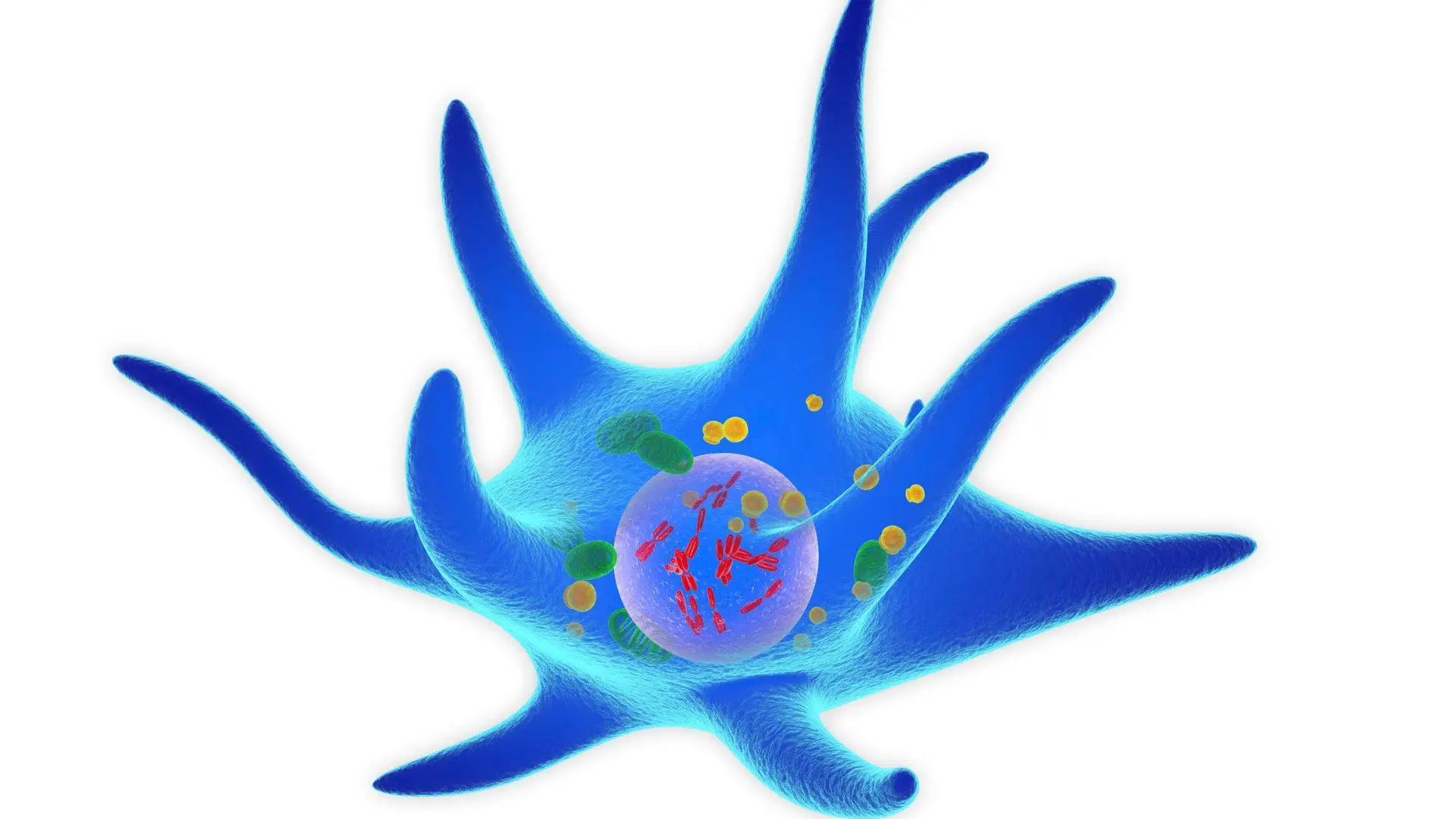
Merkel Cell Carcinoma (MCC)
Merkel cell carcinoma (MCC) is a rare, aggressive skin cancer with roughly 2,000 new cases per year in the United States. This type of cancer is generally caused by a combination of abnormal growth of the Merkel cell polyomavirus discovered in 2008 and extensive damage from the sun. MCC is most commonly found on parts of the skin exposed to the sun, such as the face, head, neck, and arms. Significant signs of MCC are rapidly growing, firm, painless, flesh-colored to red-violet bumps.
Treatment for MCC largely depends on the stage of the disease. Diagnosing MCC involves a body scan and a sentinel lymph node biopsy. The most common treatments include immunotherapy, surgical excisions, Mohs micrographic surgery, radiation therapy, chemotherapy, complementary or alternative therapy, and clinical trials.
Frequently Asked Questions About Skin Cancer Treatment
What are the most common types of skin cancer?
Basal cell carcinoma (BCC) is the most common form of skin cancer, squamous cell carcinoma (SCC) is the second-most common form of skin cancer, and Melanoma is the third most common but the most dangerous type of skin cancer.
What are common warning signs of skin cancer?
Each type of skin cancer is different as it affects different parts and layers of the skin. For basal cell carcinoma, areas on the skin that look like scars, lumps or nodules that are shiny or have visible blood vessels; crusty, itchy patches of skin that may bleed or have a depression in the middle; or red patches of skin that look like eczema. For squamous cell carcinoma, any sore that does not heal or comes back after healing; rough-feeling growths/bumps that get crusted over and bleed; patches of skin that are flat, scaly, and red; or white spots in the mouth, on the tongue, gums, or cheeks. For melanoma, signs are often moles, scaly patches of skin, open sores, raised bumps, or black marks under finger or toenails.
What causes skin cancer?
Skin cancer is most often caused by exposure to ultraviolet (UV) radiation from the sun or tanning beds. Once skin cells become damaged, they grow uncontrollably and damage other cells in the skin and body. Damaged cells can also be a result of genetics and inherited mutated genes. Lastly, they may develop in those with a weakened immune system, such as people with a transplant or who have had HIV.
How can I tell the difference between melanoma and non-melanoma skin cancer?
Melanoma can be determined by the ABCDE method:
- Asymmetry: The mole has an irregular shape
- Border: The edge is not smooth, but irregular or notched
- Color: The mole has uneven shading or dark spots
- Diameter: The spot is larger than the size of a pencil eraser
- Evolving or Elevation: The spot is changing in size, shape or texture
However, official accurate diagnoses must be given by a doctor.
What are the possible side effects of skin cancer treatment?
Side effects depend on the type of treatment a patient undergoes. Surgeries often result in swelling, caused by the buildup of lymphatic fluid. Chemotherapy, targeted therapy, and immunotherapy drugs may cause a variety of side effects, such as nausea and vomiting, fatigue, nerve damage, mouth sores, and rashes. Patients who undergo radiation therapy may experience skin irritation.
Support That Continues Beyond Treatment
At Lindenberg Cancer & Hematology Center, we’re here to support you before, during, and after treatment.
If questions or concerns arise after you leave our office, our 24/7/365 Nurse Triage Line (856) 505-7973, gives Lindenberg patients access to nursing support when they need guidance.
Whether you have a question about how you’re feeling following treatment or aren’t sure whether something you’re experiencing is expected, you have a team you can turn to.
Start Your Journey with a Team You Can Trust
Schedule Your Visit Today
-
773 East Route 70 Suite E-125, Marlton, NJ 08053
Located in the Elmwood Business and Medical Park
Direct Line
Nurse Triage Line
-
Monday to Thursday: 8:00 AM to 4:30 PM
Friday: 8:00 AM to 12:00 PM
Saturday and Sunday: Closed
English, Spanish & Polish Speaking Team
We're here to help you feel heard, understood and supported
Connect With Our Care Team
This line is not a substitute for emergency care. In the event of an emergency, please dial 911 or go to the nearest emergency room.