Signs and Symptoms of Anemia
People develop anemia when they do not have enough healthy red blood cells to supply the body with oxygen. With various types and causes, this common anemia disorder can range from mild to severe. However, since the disorder can negatively impact a person's health, it is crucial to recognize the symptoms and seek treatment. Here is a closer look at anemia and how to recognize the signs and symptoms to seek help for yourself or a loved one.
What is anemia?
Anemia results from the body having insufficient red blood cells or not having enough healthy red blood cells. Red blood cells contain vital hemoglobin, a molecule the body needs to transport the oxygen the body needs to power its cells and produce energy. Untreated anemia can stress the heart greatly and cause various health issues, including pregnancy complications and developmental delays in children. Therefore, if someone notices the signs and symptoms of this disorder, it is crucial to talk to a doctor.
Causes of Anemia
Anemia can be the result of hereditary or acquired conditions and nutritional deficiencies. There are hundreds of types of anemia, but the most common is a type created by nutritional deficiency called iron-deficiency anemia. This form of anemia results from the body not having enough iron to make the hemoglobin necessary to transport oxygen. Other causes are due to underlying conditions or illnesses that affect the shape, quality, and quantity of blood. Identifying the cause is important in determining the type of treatment.
Signs and symptoms of anemia
Mild anemia may not have any outward signs. This condition can affect everyone differently. However, extreme tiredness is almost universal. Other common symptoms include dizziness, headaches, trouble concentrating, irritability, loss of appetite, and numbness in the hands and feet. Symptoms may also include rapid heartbeat and pain in the chest, belly, and joints.
Symptoms tend to worsen as the condition progresses. As anemia becomes more severe, other symptoms may arise, including:
- Blue color in the whites of eyes
- Brittle nails
- Mouth ulcers or sore tongue
- Decreased sex drive
- Increased menstrual bleeding in women
- Shortness of breath, even at rest
- Pale or yellow skin
- Lightheadedness when standing up
Severe anemia can lead to a condition known as pica syndrome, a condition in which a person has a desire to eat non-food items such as ice.
Anemia risk factors
Anyone can develop anemia. However, certain individuals are at higher risk than others. Those with poor diets are at higher risk, as are those with intestinal disorders and those who suffered severe blood loss. It is crucial these individuals speak to their doctor if they notice the above symptoms. Others at elevated risk for anemia include:
- People over 65
- Pregnant women
- Menstruating women
- Cancer patients
- Those with chronic conditions
- Those with a family history of anemia
Exposure to toxins and incertain infections can also raise a person's risk. Certain medications can also increase a person's risk for anemia.
How doctors diagnose anemia
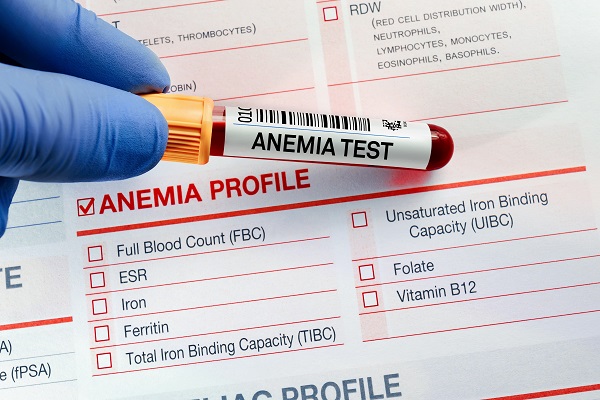
It is important to see a healthcare provider if anemia is suspected, especially if symptoms seem to be getting worse. The practitioner will likely order a complete blood count or CBC to evaluate the number and condition of the patient's red blood cells and possibly the patient's iron and B vitamin levels. They may even have a person's blood cells examined under a microscope by ordering what is known as a peripheral blood smear test. This test and a CBC are often ordered together when investigating anemia.
These tests will help confirm the diagnosis and help pinpoint the cause. However, because there can be many causes of this conditioning, the provider must review them with a patient's health history and other important health information. In addition, the doctor may order further tests.
Treatment options for anemia
Since so many cases of anemia can be successfully treated by fixing nutritional deficiencies, this is often the first step in treating the condition. Iron and other supplements may be prescribed along with diet changes. Then, the doctor will monitor the patient to ensure their condition is improving.
There are many other causes and types of anemia, and sometimes, the condition calls for further intervention, such as medication. If a patient has anemia due to an underlying condition, the doctor will also treat that condition. Some cases may require referral to a hematologist, which is a healthcare provider specializing in treating blood disorders like anemia.
Do not ignore signs of anemia
Anemia is usually a treatable and curable condition. The important thing to do is talk to your doctor as soon as possible when you notice symptoms, especially if you have any risk factors. If you have more questions on recognizing the signs and symptoms of anemia, call Lindenberg Cancer & Hematology Center today.
Request an appointment here: https://lindenbergcancer.com or call Lindenberg Cancer & Hematology Center at (856) 475-0876 for an appointment in our Marlton office.
Check out what others are saying about our services on Yelp: Anemia in Marlton, NJ.
Recent Posts
Being referred to a hematologist may feel like a cause for concern, particularly when it follows an unexpected blood test result. However, a referral does not automatically mean cancer or another life-threatening condition. It simply means that your primary care doctor wants a specialist to take a closer look at the blood, bone marrow, and…
While ovarian cancer and cysts develop in the same organ and share similar symptoms, they are not the same condition. Many individuals worry about the worst-case scenario when they feel this sort of discomfort, but knowledge is the first step toward peace of mind. Learning how to spot the key differences can help you make…
Blood clot disorders often require careful medical treatment, and daily diet can influence how well a care plan supports safe circulation. Food choices do not replace medication, monitoring, or guidance from an oncology and hematology team, but they can affect inflammation, weight, hydration, and medication consistency. Here is a breakdown of how a thoughtful diet…
After a cancer diagnosis, it is important to find the right care for your needs. Searching for chemotherapy near me helps patients and their families learn how treatment works and why oncologists choose certain medications. The following guide explores the different types of chemotherapy and what to expect during treatment. Chemotherapy is a medical treatment that…